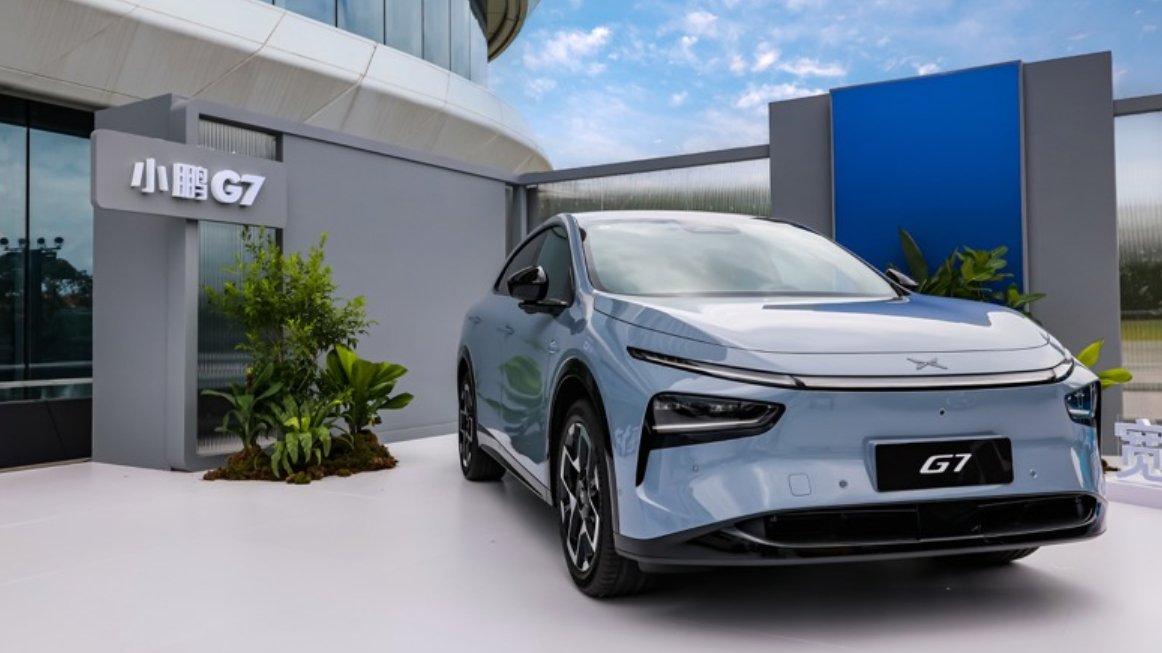

When the launch of Xiaomi YU7 caused a sensation in the auto market, it is unclear whether anyone still remembers another contender in the "7" family - XPeng G7. Many people surely feel regret for this car. After all, it was announced last year, but its launch time was ultimately set for the evening of July 3, exactly a full 7 days later than Xiaomi YU7, which all automakers chose to avoid confronting directly. These seemingly few 7 days may have already determined the market prospects of the XPeng G7.
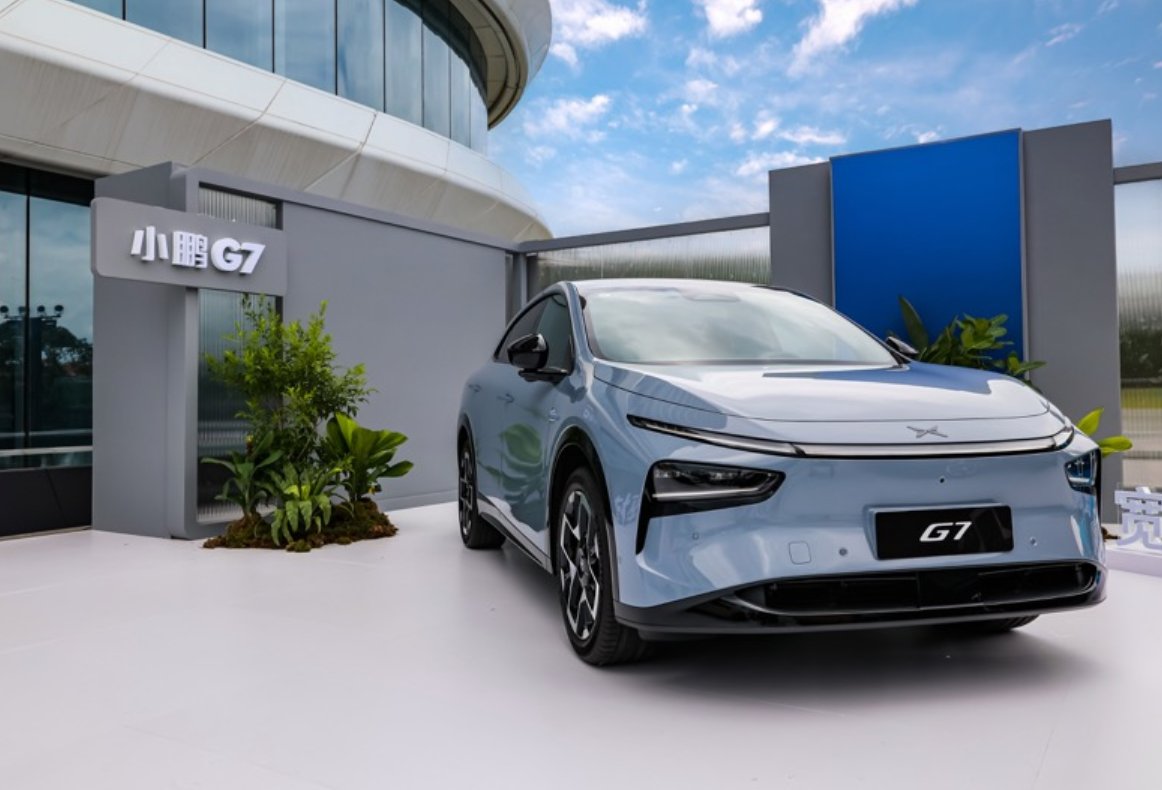
XPeng G7 = XPeng G6 Plus?
From the perspective of ordinary consumers, we first need to set the tone for the XPeng G7. In many ways, its product positioning is equivalent to the XPeng G6 Plus. Conversely, the XPeng G6 is also equivalent to the XPeng G7 Coupe. The reason for this conclusion is largely that the XPeng G7's wheelbase (2890mm) and front and rear track are completely identical to those of the XPeng G6. As for the differences between the two cars in body length and height, they are entirely due to the difference between a fastback design and a conventional design.
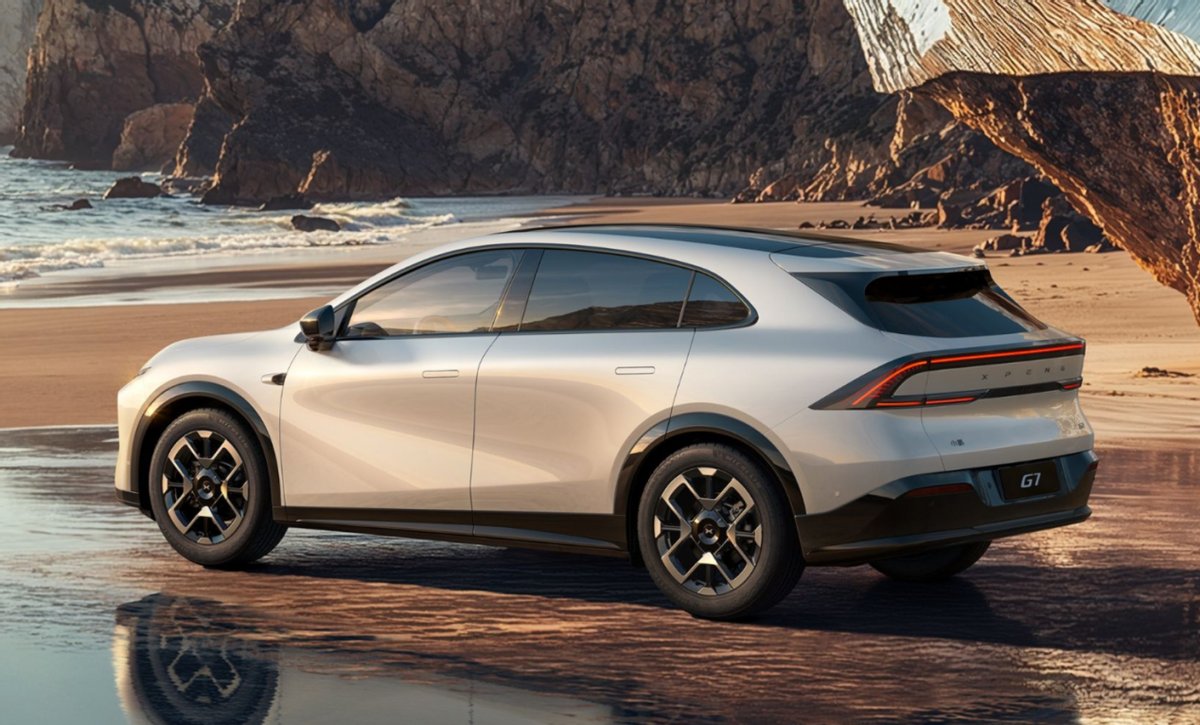
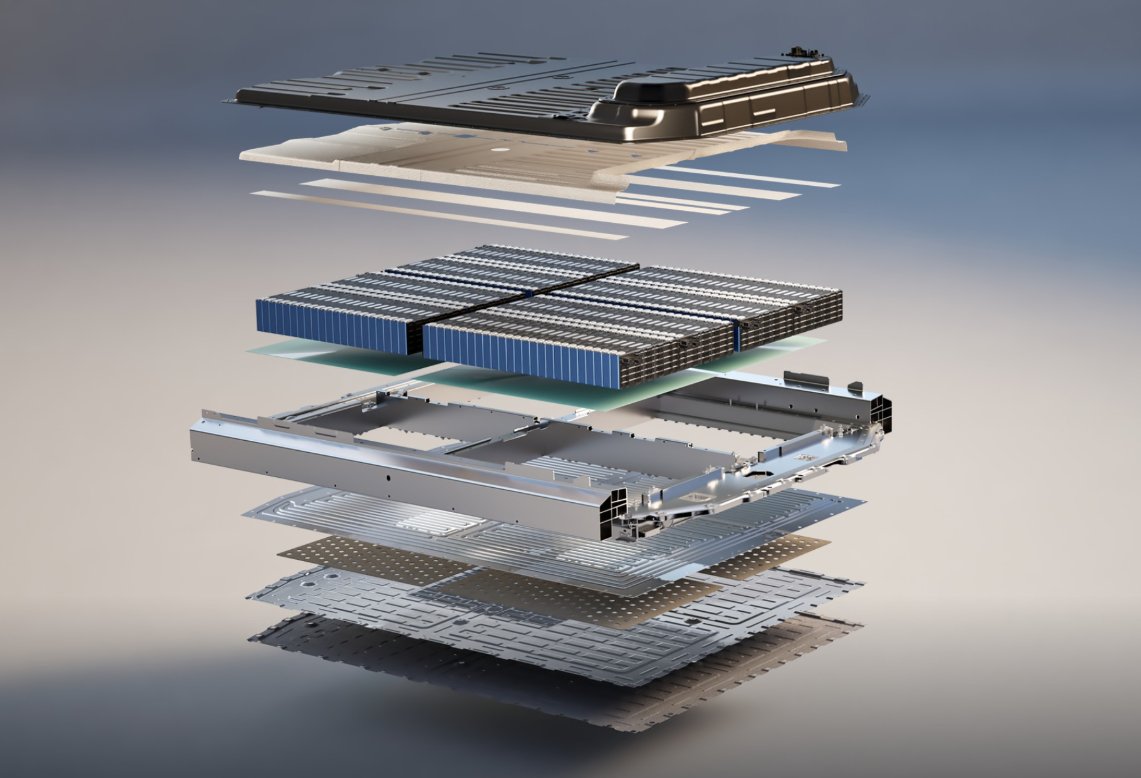
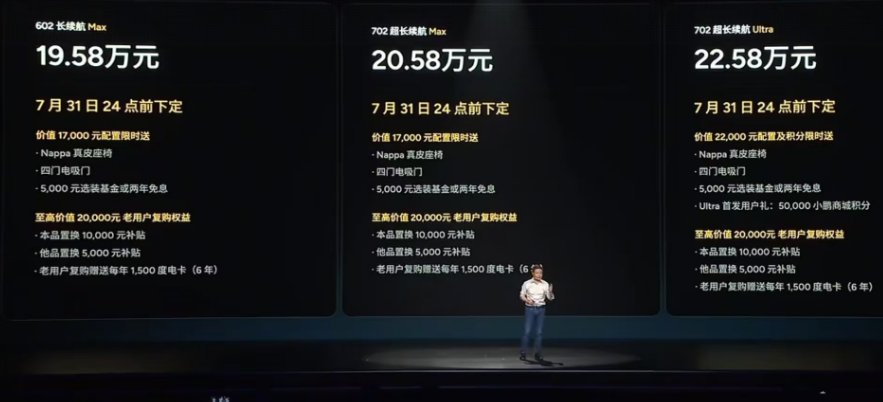
From other aspects as well, the XPeng G7's full-domain 800V high-voltage SiC silicon carbide platform, as well as the equipped motor model and 5C ultra-fast-charging AI lithium iron phosphate battery, are also the same as those of the XPeng G6. It is worth mentioning that in order to create the gimmick of pushing the price threshold below 200,000, the XPeng G7 even launched a 602 range version, whose range is even shorter than the XPeng G6's 625 range version. This is not only a move that shows an extreme lack of sincerity and boldness, but also makes consumers feel that spending tens of thousands more to choose the XPeng G7 is simply not worth the price!
Obviously, the official price of the XPeng G7 after launch, which was only 10,000 lower than the presale price, did not meet consumers' expectations. After all, the repeated large price cuts from neighboring Xiaomi have already hyped everyone up, and this once again verifies that XPeng lacks a bit of boldness. In this regard, many people, after seeing its pricing still close to that of its own XPeng G9, comparing it with the XPeng G6, and considering the less than 30,000 price gap with the Xiaomi YU7, will most likely lose the desire to place an order. After all, which young person would not grit their teeth and go for the Xiaomi YU7 for such a small price difference? This is also the result of waking up early but arriving late.
The choice between self-developed chips & lidar
Continuing back to the product strength level, as a new car on which XPeng has placed high hopes, although the XPeng G7 has not opened an obvious gap with the XPeng G6 in terms of space and other aspects, it still has some product highlights. For example, the new car debuts with 3 Turing AI chips, two for driving assistance and one for cabin AI. According to XPeng, they are equivalent to 9 mainstream intelligent driving chips, with effective computing power exceeding 2200 TOPS. As for whether it is really that impressive, let us look at some professional analyses.
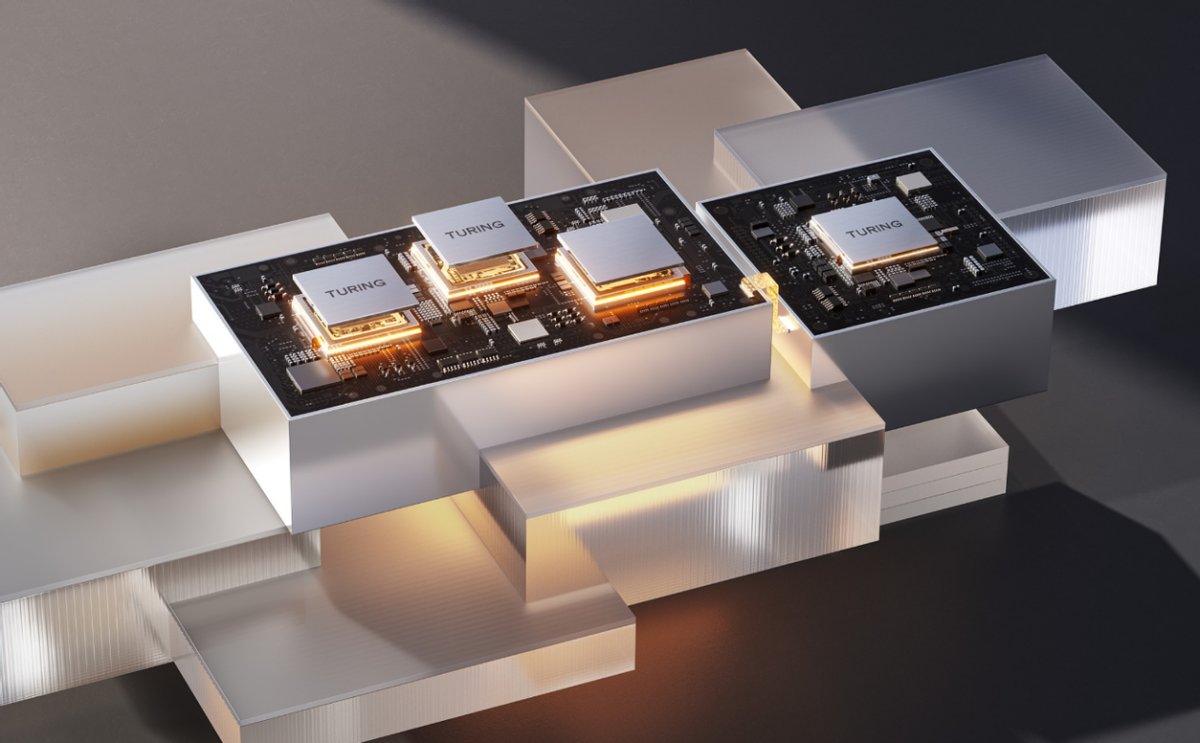
For a chip, "chip bandwidth" is a key indicator measuring the data transmission rate between the chip and memory. Especially in high-performance computing and AI fields, insufficient bandwidth can lead to idle computing units and performance degradation. Taking Nvidia's Thor chip as an example, its bandwidth is 273GB/s. In contrast, for XPeng's Turing AI chip, the calculated result for a single chip's bandwidth is basically similar to that of Nvidia's Thor chip. It is lower than Huawei MDC610 and Tesla HW4 from several years ago, and even lower than Nio's NX9031. This means that XPeng's Turing AI chip, compared with同类 products in the current first tier, has not achieved the leading advantage claimed in publicity. It can only be said to be a fairly good self-developed chip. Moreover, it is only equipped on the top-trim Ultra version of the XPeng G7, while other versions continue to carry the market-tested Nvidia Orin chip. So who would be willing to spend more money to become one of the first lab rats when buying a car?
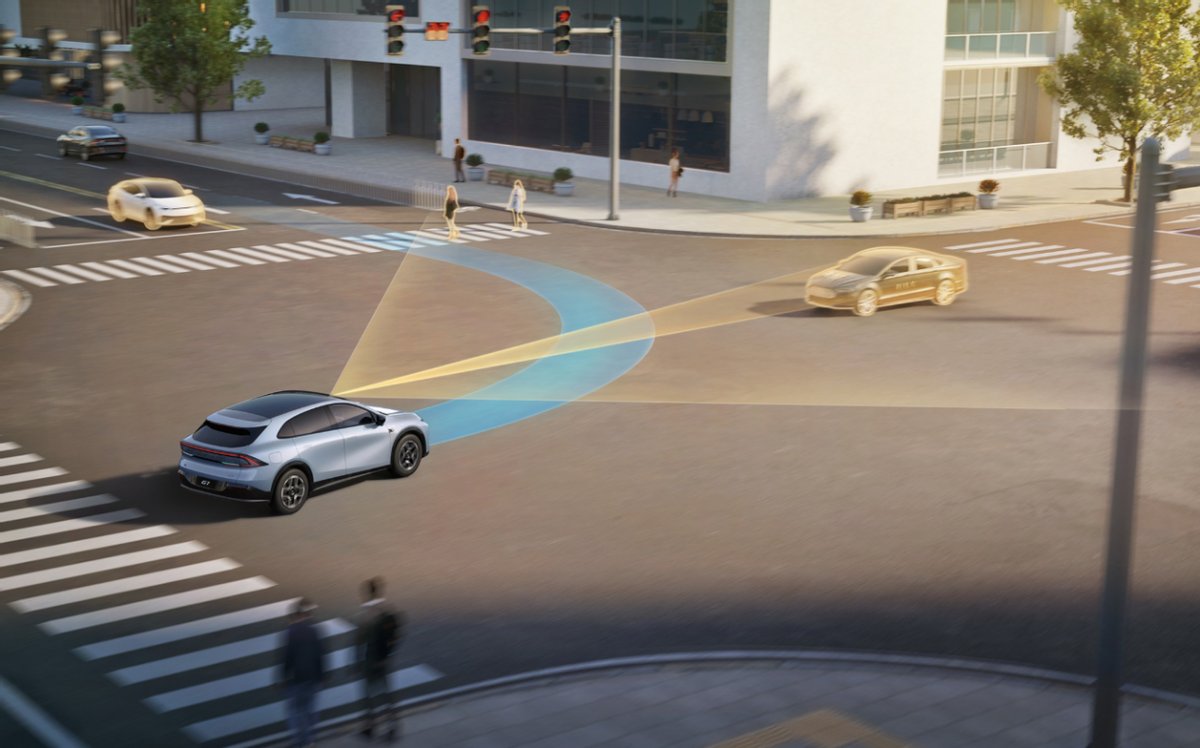
Obviously, compared with chips, in which consumers are not very interested, people are actually more interested in lidar.
As is well known, in the Chinese market where road conditions are more complex, pure vision intelligent driving solutions, whether in accuracy, response speed, or applicable feedback in adverse scenarios such as rain and nighttime, are far inferior to vision + lidar fusion solutions, which are also currently recognized as the best solution. In contrast, XPeng has now basically fully shifted to a pure vision solution. The advantage of this is that it can reduce manufacturing costs, and the disadvantage presumably does not need to be stated explicitly. However, from the current consumer perspective, a car costing more than 200,000 without lidar will probably not be very popular in the market.
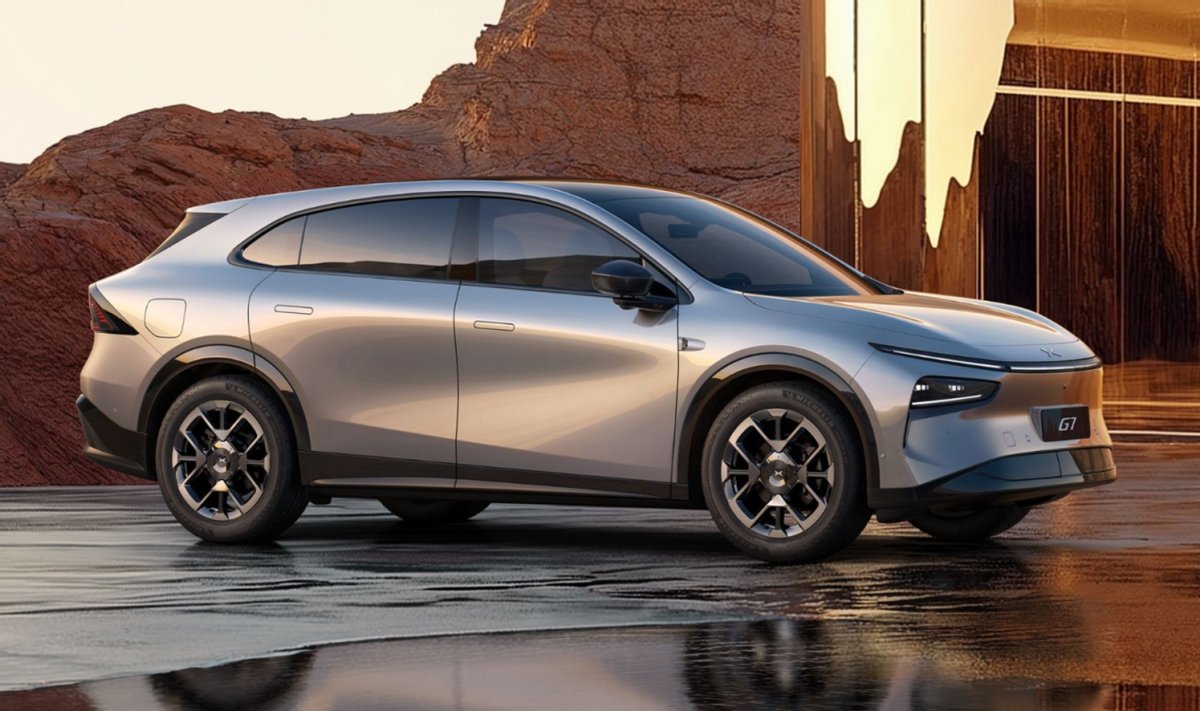
Daxia Car Talk: There is no doubt that the XPeng G7, which failed to launch before the Xiaomi YU7, had already lost the market initiative, and after launch it still did not offer bold pricing. This will all lead to a lack of desire among consumers to place orders. Especially when there is no obvious gap with the XPeng G6 in terms of size and configuration, young users who now pay more attention to cost-effectiveness will most likely not include it among their car-buying options around 200,000!