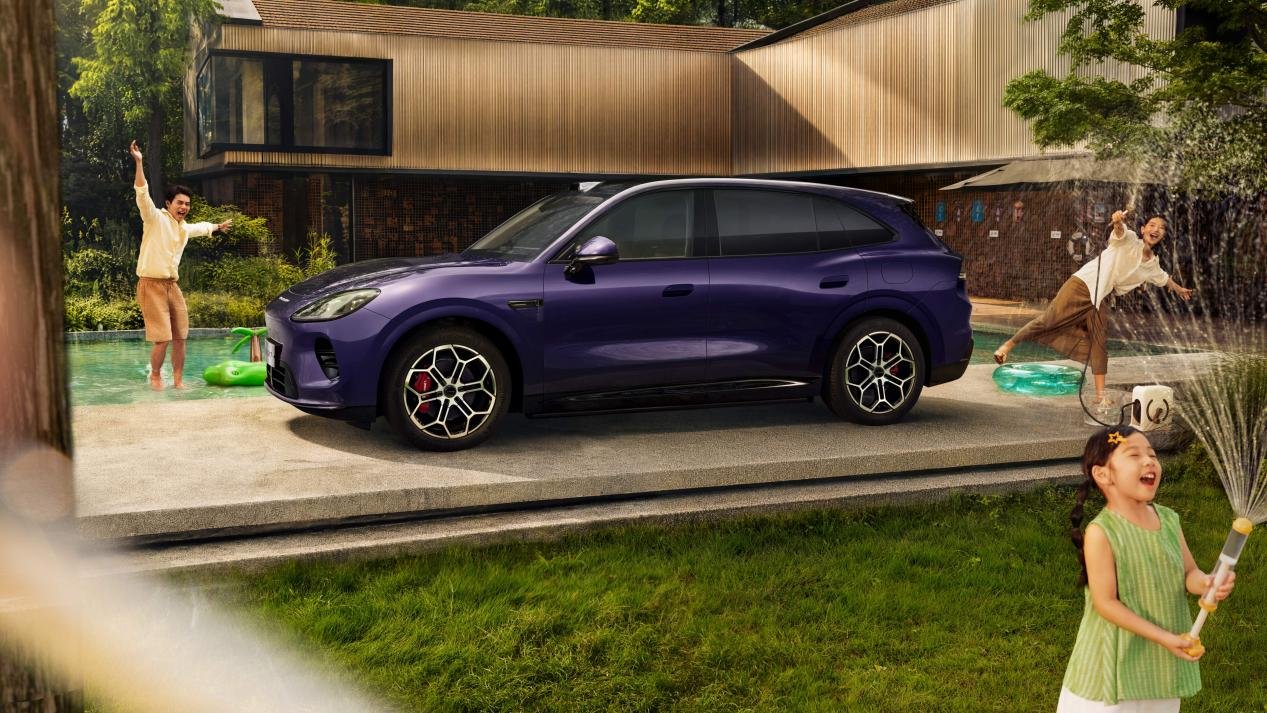
Recently, wide candybar phones have become popular, and the "wide" everyone pursues is no longer just about being physically larger, but about a sense of ease and freedom throughout the entire experience. This product mindset also holds true for cars, and the wide five-seat layout championed by Qijing GX7 is an implementation of the "wide experience."
Its "width" is not simply about making the body larger, but about a three-level experience upgrade: wide seating space, wide scenario versatility, and wide travel experience. Breaking out of the conventional framework of traditional five-seat SUVs, it gives a sense of relaxation to every occupant in the cabin. Judging from market feedback after launch, this car has attracted considerable attention, and the limited-time benefits starting at 229,900 yuan also target the large-family household market.
The first is the width in spatial layout, with the most intuitive highlight being that the rear row can be expanded into a fully flat space in 20 seconds. Daily car use often comes with plenty of frustrating scenarios: when you want to rest in the car during lunch break, the seat angle is limited, and once you lie down, your lower back gets no support; when the whole family goes out for fun, the child falls asleep in the car after playing, but the seat cannot fully recline, so they can only curl up to rest. Qijing GX7 precisely solves these pain points. The rear backrest can be adjusted with one touch, and a complete flat space is quickly available, turning the cabin directly into a mobile lounge.
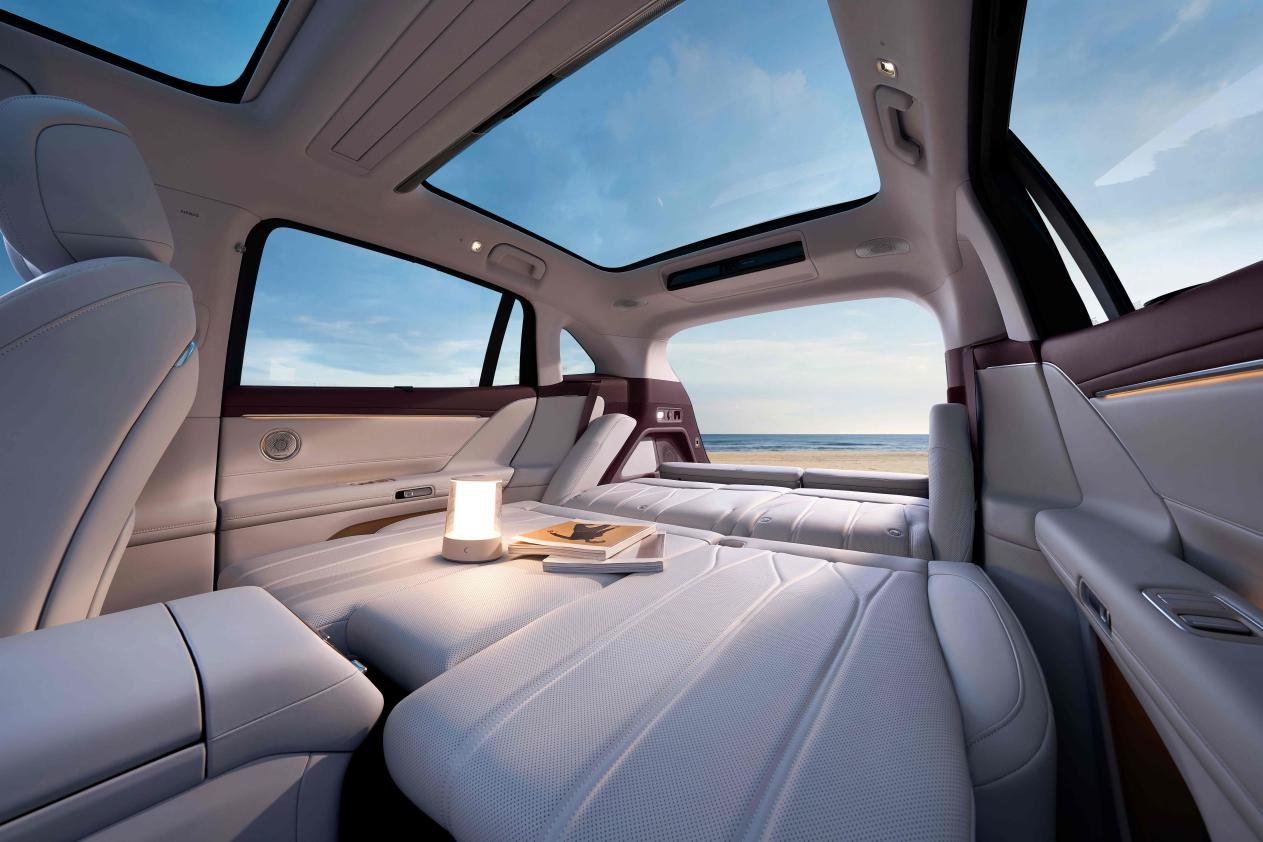
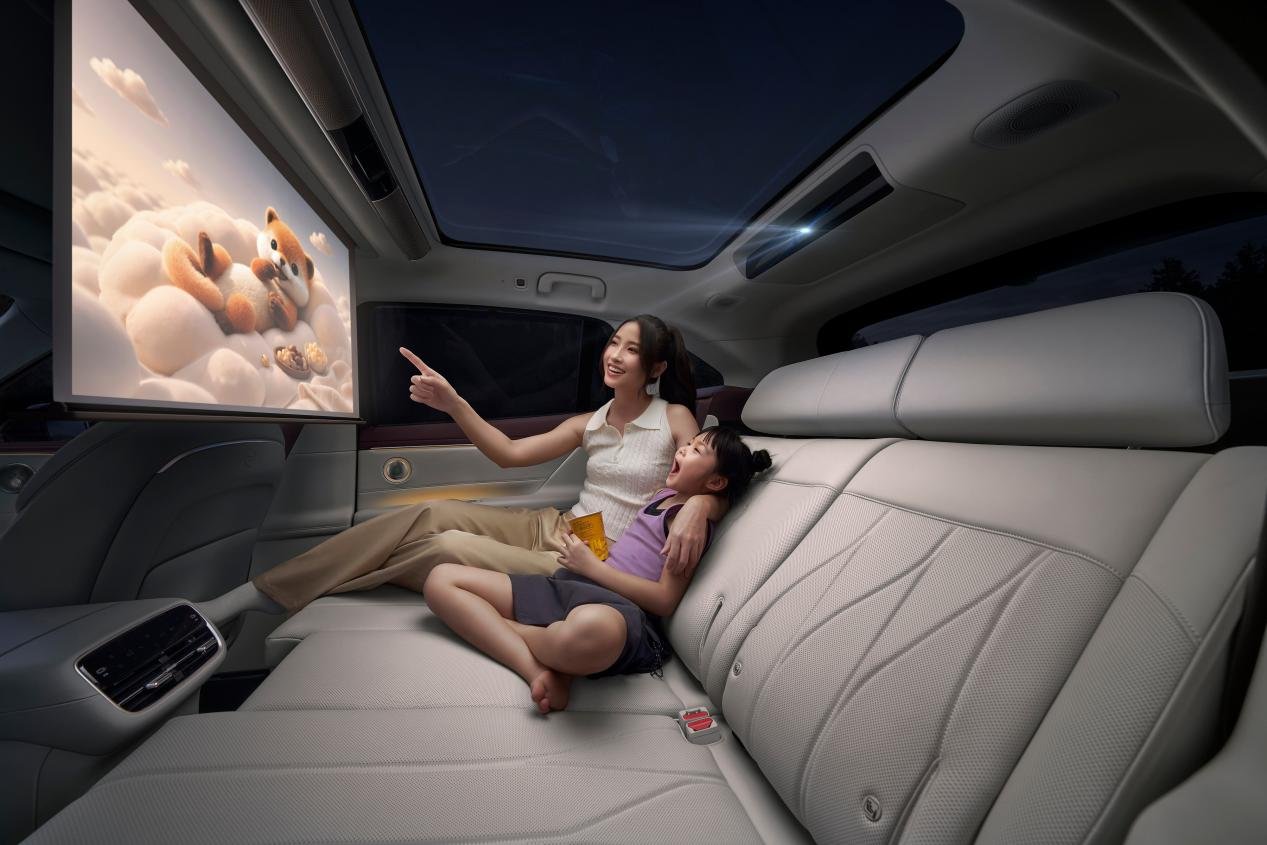
This width is also reflected in the rich and varied usage scenarios. The vehicle has multiple seat combination modes: the front and rear rows can all be folded down to form one super-large bed; it can also switch to an L-shaped chaise lounge posture, activate the rear 32-inch private viewing mode, and even expand to an outdoor 46-inch giant screen. It is not just about adjusting seat angles, but about turning the cabin into a flexible living space. For lunch breaks, camping rests, parent-child trips, and outdoor entertainment, it further expands the boundaries of in-car use.
The visible spaciousness cannot be achieved without solid hardware fundamentals. The vehicle length is 5,099 mm, width is 2,006 mm, and wheelbase reaches 3,070 mm, achieving a golden width-to-height ratio of 1.15, with a low, wide stance that looks balanced and imposing. Sitting inside, a sense of openness greets you immediately. The total soft-touch cabin area is 21 square meters, with soft coverage on primary contact surfaces approaching 100%. Even if children run and play freely in the rear row, the risk of bumps and collisions can be effectively reduced, truly translating "width" into every aspect of the seating experience.
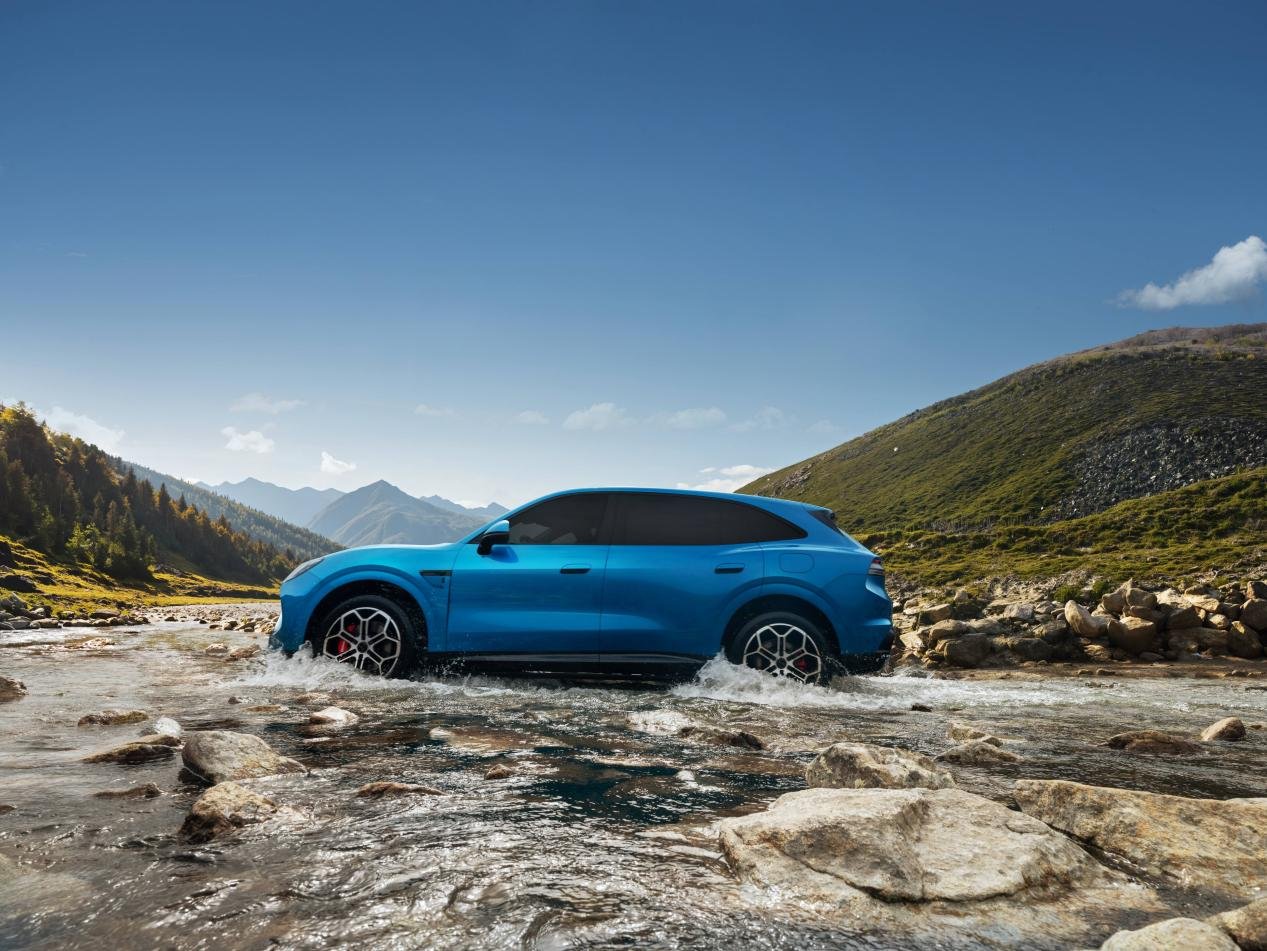
Not limited to the interior of the cabin, Qijing GX7 extends "width" to the travel radius. On long road trips, the biggest fear is limited range. If you cannot go far, then no matter how large the cabin is, its value cannot be fully realized. Qijing GX7 has a CLTC comprehensive range of up to 1,500 kilometers. On cross-city journeys like Beijing to Shanghai, the frequency of mid-journey recharging is greatly reduced, no longer bound by charging points, and the activity range for family travel becomes wider.
The width of travel is also inseparable from the sense of relaxation brought by intelligent driving. The vehicle adopts an architecture oriented toward L3-level assisted driving, equipped with 4 lidars and eightfold redundancy design. Setting aside the technical terms and putting it into commuting and highway self-driving scenarios, the entire system continuously perceives surrounding road conditions, identifies potential risks in advance, and provides the driver with an extra layer of assistance as a safety net. With advanced intelligent driving sharing the pressure, long-distance driving is no longer exhausting, allowing you to truly enjoy the open journey.
The cabin then brings "width" into the sensory experience. It is equipped with the HarmonySpace 6 cockpit, debuts the cute pet Qiqi interactive image, and features an 88-inch AR-HUD head-up display with a dedicated animation for waiting at red lights. The whole vehicle has ten screens, paired with two Huawei 15.6-inch in-car smart displays, along with a HUAWEI SOUND 21-speaker audio system. The front row can focus on driving, while the rear row enjoys immersive audio-visual entertainment, allowing all occupants to have an open and rich experience.
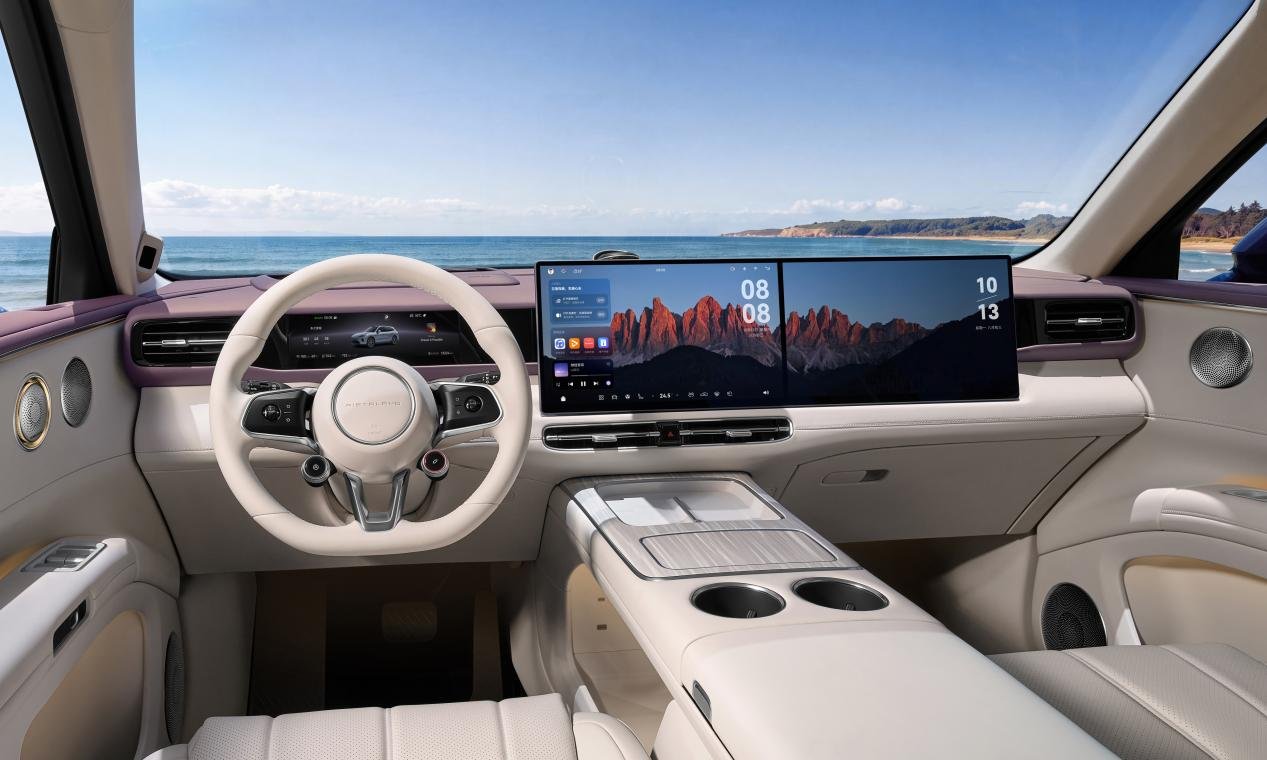
Abundant power reserves are also an important support for wide-ranging travel. With the support of the Huawei Qiankun Chitu platform, the three-motor combined maximum power is 550 kW, and 0-100 km/h acceleration takes 3.9 seconds. Many people may wonder why a family SUV needs powerful acceleration, but this is actually capability redundancy. When fully loaded with the whole family and overtaking at high speed, power is available on demand and will not ruin the relaxed atmosphere of the entire trip due to sluggish performance.
Overall, Qijing GX7 does not simply pile up specifications, but carries "width" throughout its product design. Its width is not only the physical size of the cabin, but also a comprehensive expansion of scenarios, range, and driving and riding experience, directly addressing the real pain points of ordinary families' car use. As for whether the actual experience meets your expectations, you still need to sit inside the car and feel it for yourself.
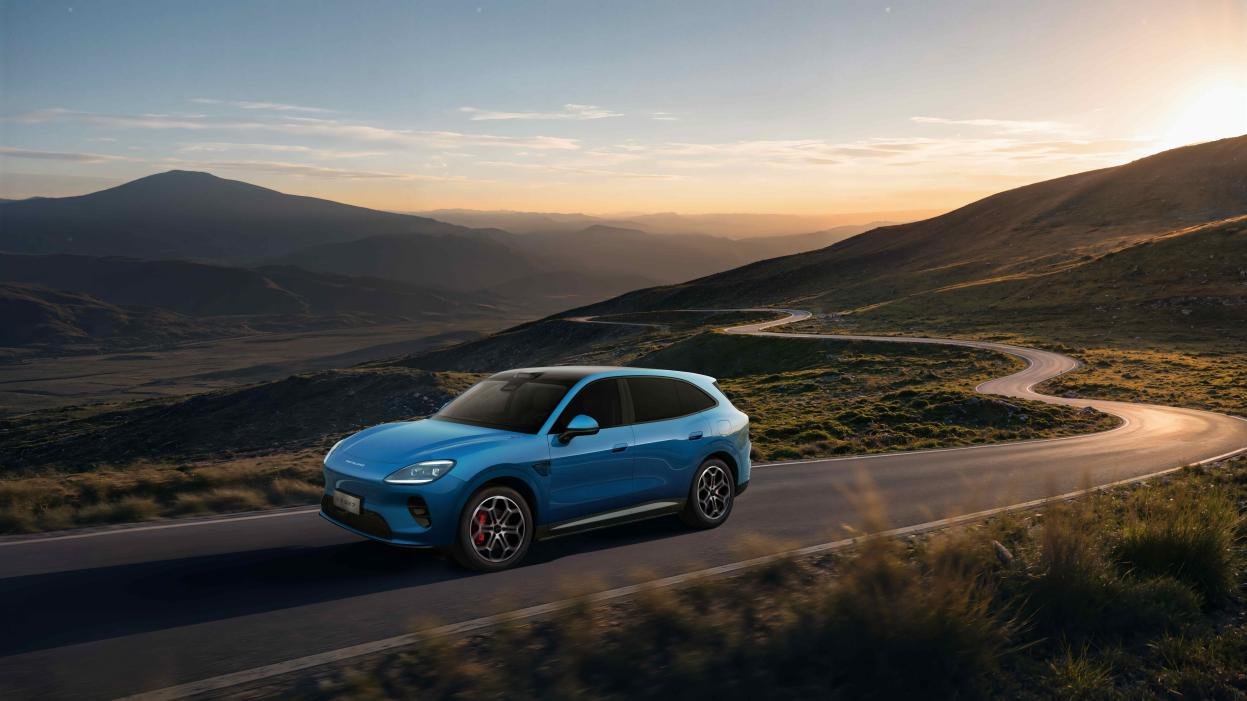
In conclusion: We are used to judging whether a car is big by its dimensions, but "width" represents a relaxed user experience. From wide candybar phones to the wide five-seat layout of Qijing GX7, the core of the product is no longer just stacking hardware, but serving people's real life scenarios.
In your eyes, where should the true "width" of a family SUV be reflected? Feel free to share your views in the comments section.


