Fellow car enthusiasts, today I want to talk about something down-to-earth and substantial that I think you'll find really interesting.
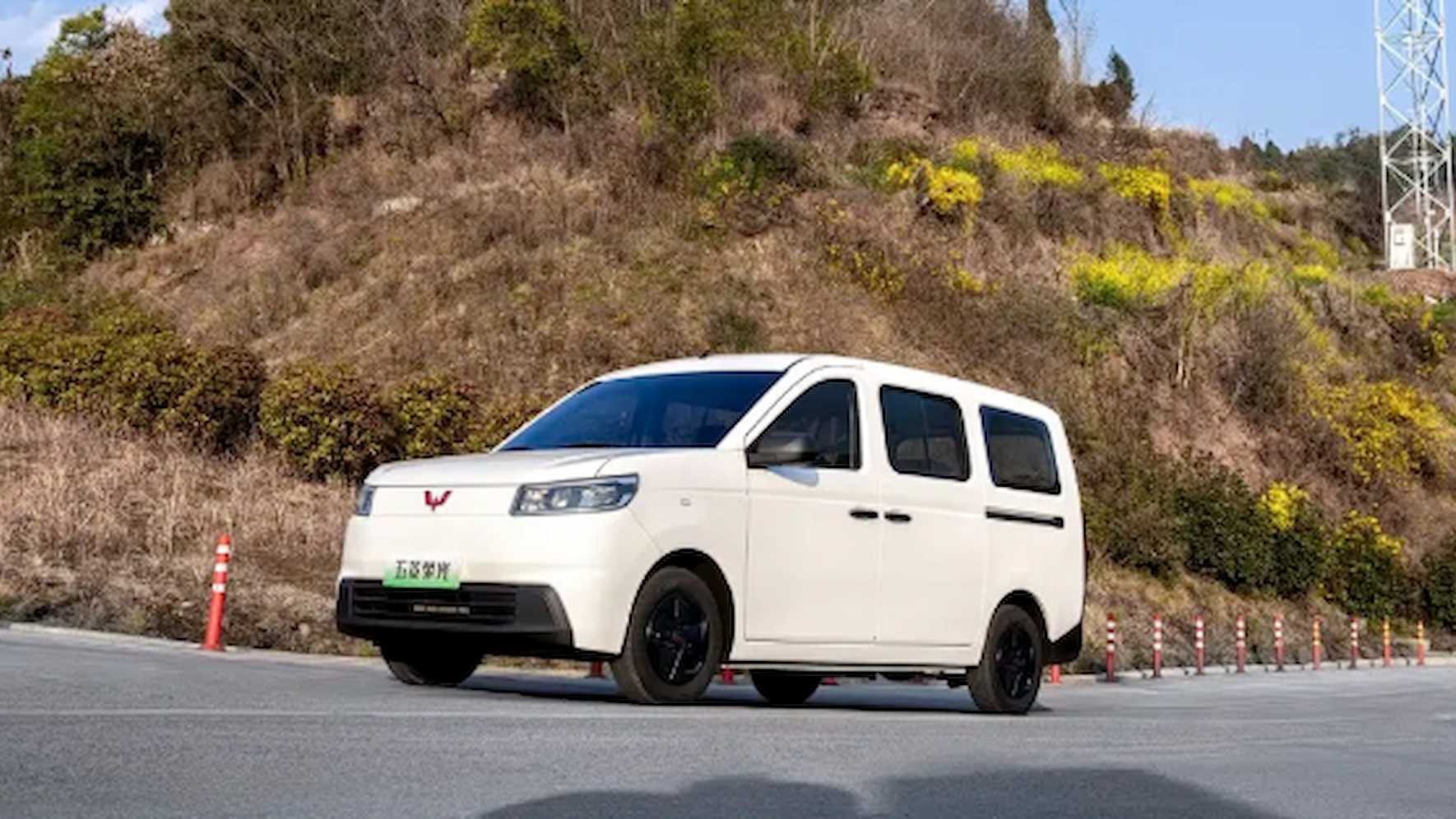
On March 9th—that's today—Wuling Motors dropped a "blockbuster" on the commercial vehicle market: the Rongguang pure electric version officially launched.
No games, just one configuration, priced at 69,800 yuan. Factor in the 5,000 yuan trade-in subsidy, and you're driving it off the lot for just over 60,000.
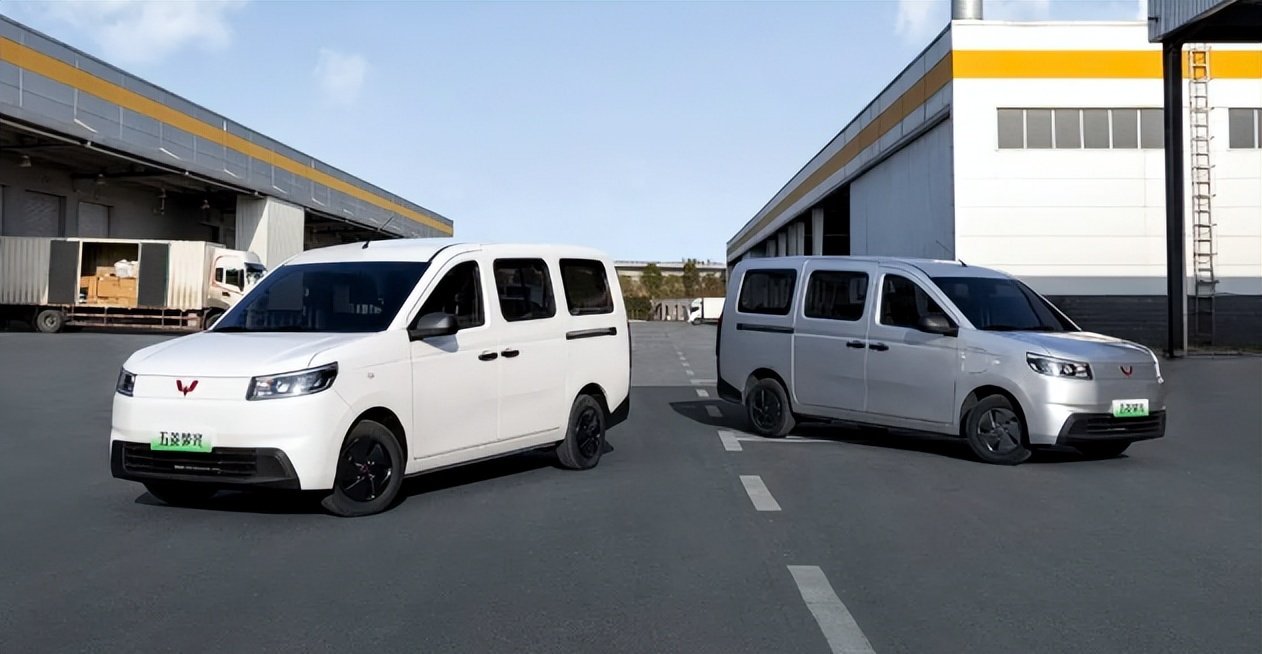
At this point, you might be thinking there's nothing worth discussing about a cargo microvan. Well, you're seriously underestimating Wuling's craftsmanship. If you don't believe me, keep reading.
First, let's look at the most counterintuitive spec: a 100kW silicon carbide rear-drive motor. Folks, that's silicon carbide! Normally this technology only appears in high-end EVs costing 200,000 to 300,000 yuan, used for high-voltage fast charging and极致 energy efficiency.
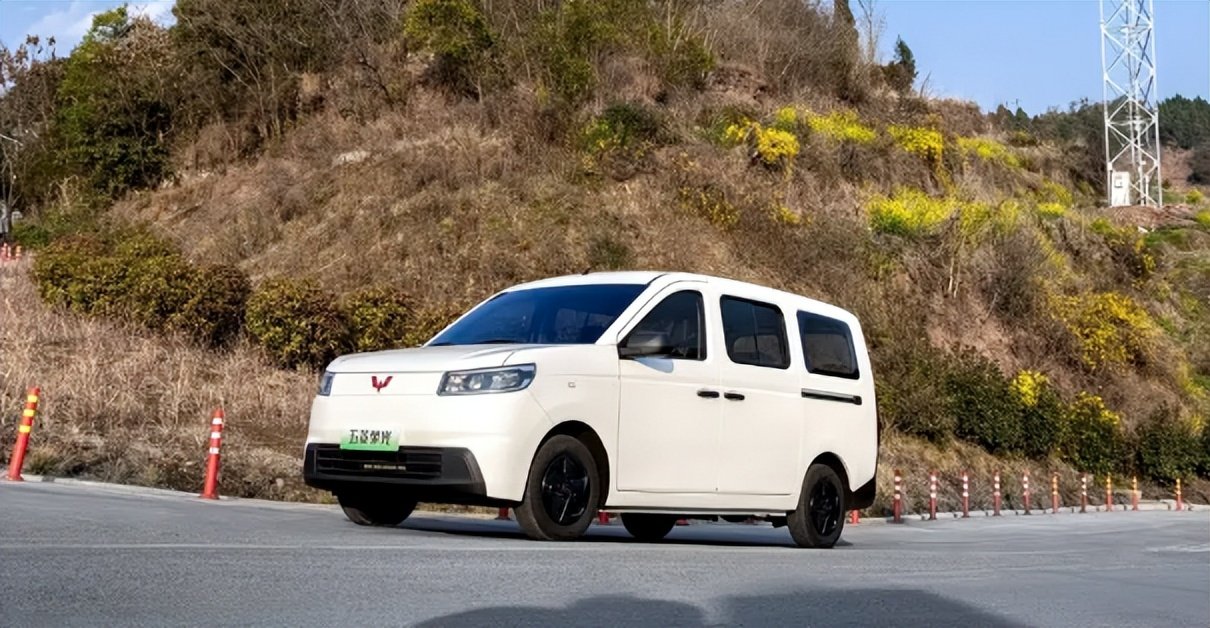
Never would I have imagined Wuling would push it down to a microvan under 70,000 yuan. What's the point? The point is efficiency and heat dissipation under heavy loads. 200 N·m of peak torque paired with rear-wheel drive delivers a max gradient capability exceeding 30%.
Just picture this scenario: 4 AM at the farmers' market, the cargo bay stuffed with hundreds of pounds of fresh produce, facing a steep underground garage ramp. One tap of the electric throttle and power is there instantly—no more embarrassing moments of a gas-powered microvan straining at full roar while rolling backward.
Now let's go through the underpinnings. A 32.6 kWh Shenlian battery with a rated range of 310 kilometers. Urban delivery users know the math—200 kilometers a day is the norm, and this range lands right in the sweet spot of one charge per day.
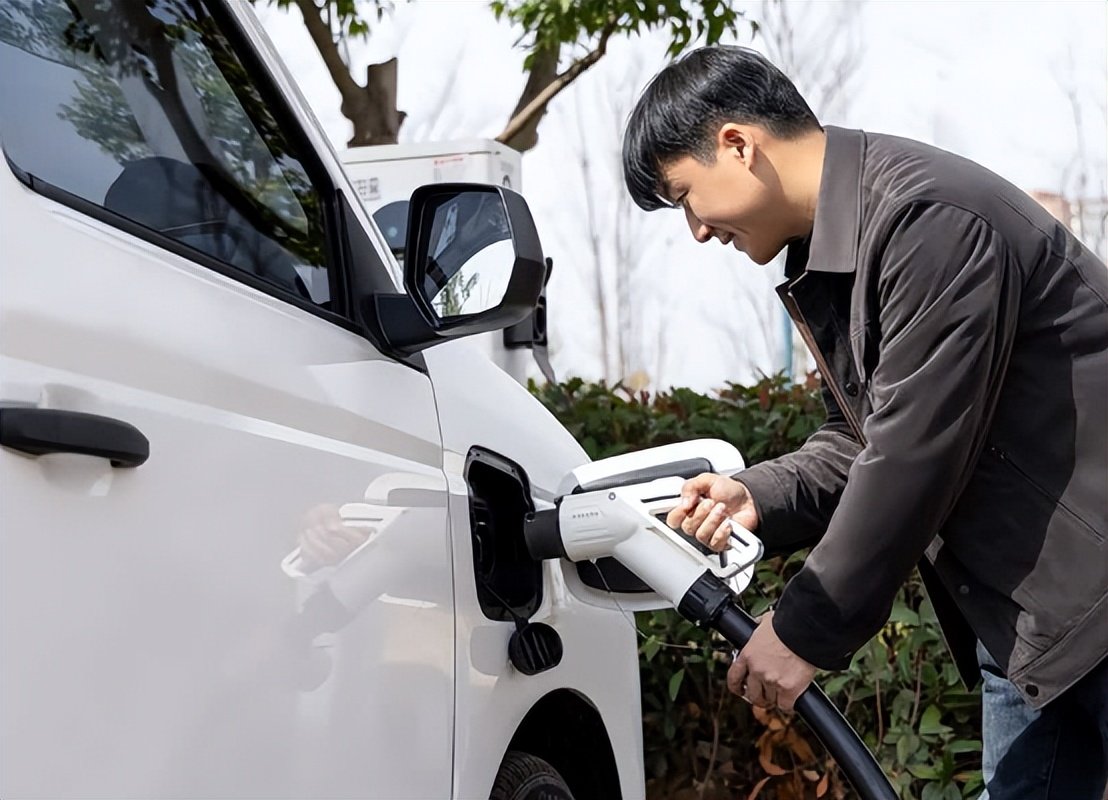
During a quick lunch break, half an hour of fast charging takes the battery from 30% to 80%. What's truly impressive about this battery pack is its MUST multi-functional integrated structure that supports individual cell replacement.
Commercial vehicles are money-making tools—bumps and scrapes are inevitable. Before, a damaged module meant replacing the entire battery pack, and the repair bill could cost more than the vehicle itself. Now you can replace individual cells, cutting maintenance costs by 90%. That's what I call truly tightening the purse strings for owners.
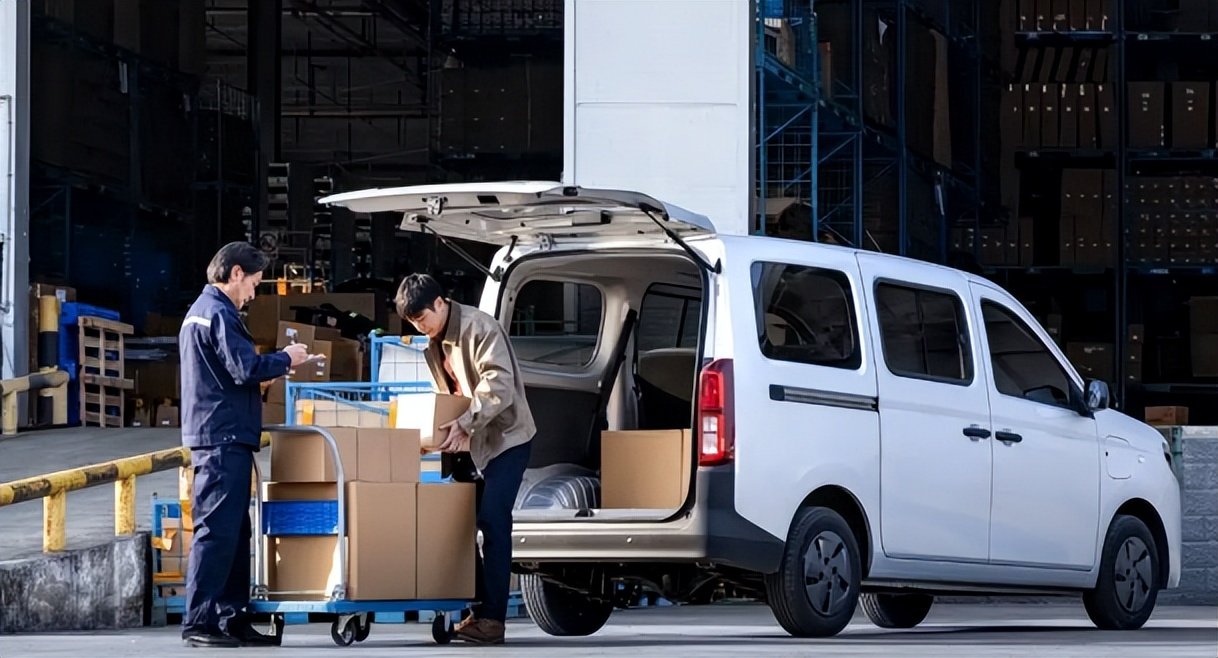
For a cargo vehicle, space is the lifeline. 4.3 cubic meters of loading space, paired with a 1,252mm ultra-wide tailgate and 680mm dual-side sliding doors—14 standard pineapple crates slide in with ease.
Twelve mounting points are reserved on both sides of the cargo area for DIY racks or hooks.
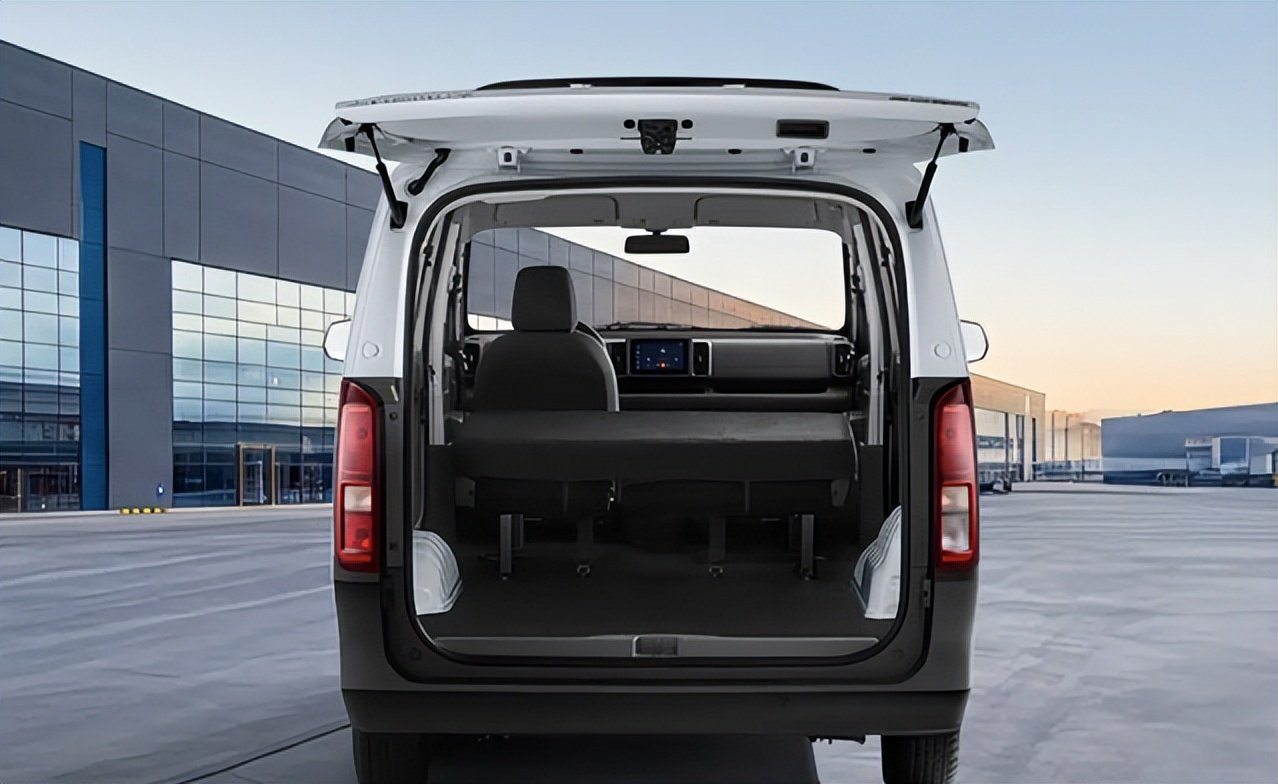
The most thoughtful design is the fully fold-flat front passenger seat. Once folded, it frees up an extra 0.5 cubic meters for long items, and the driver's seat can fold flat too.
Fellow drivers in the freight business work incredibly hard. Being able to lie down comfortably in the cab between orders is more useful than any fancy feature.
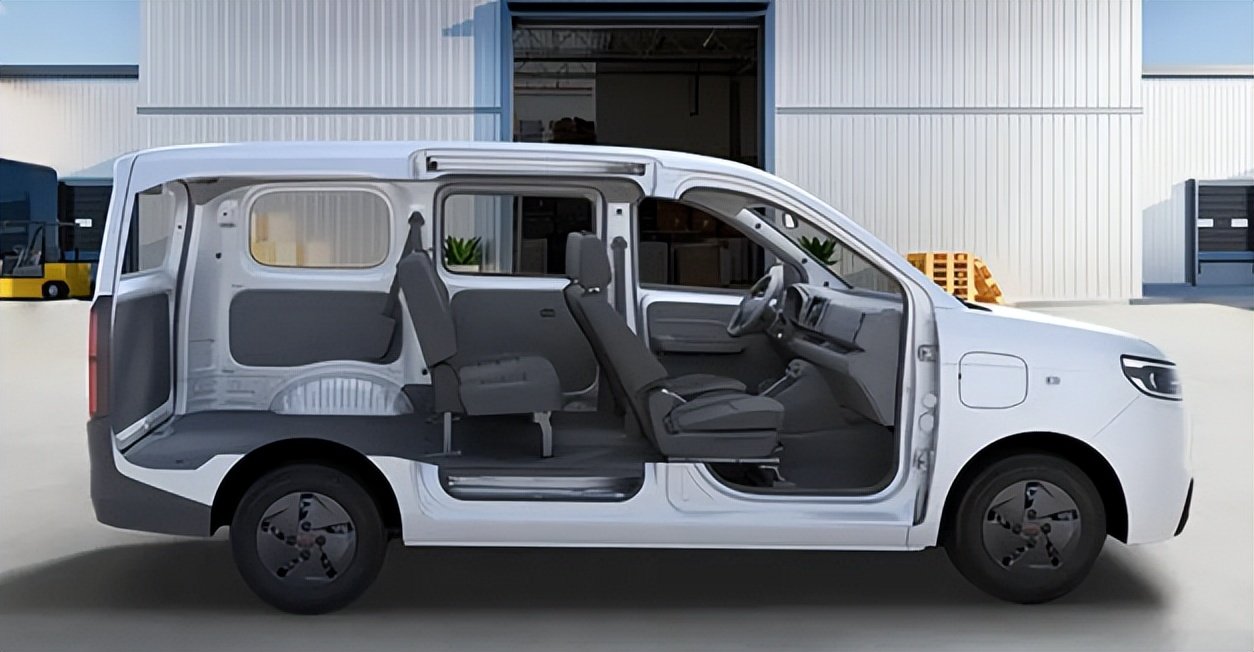
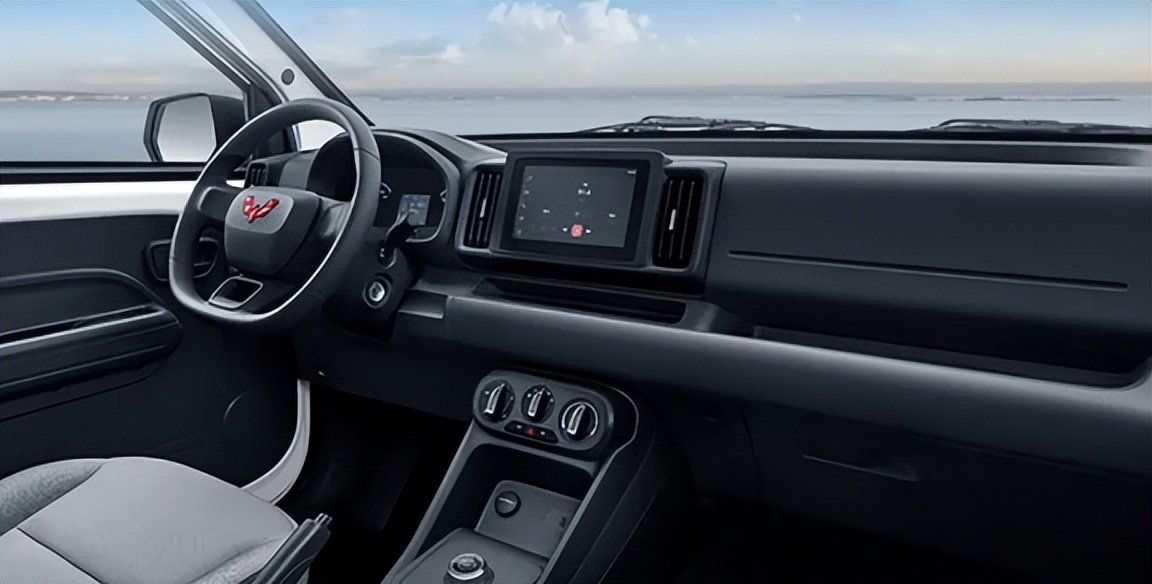
The interior also uses bamboo-instead-of-plastic eco-friendly materials, so that pungent plastic smell after summer sun exposure is finally gone.
This vehicle is no simple ICE-to-EV conversion or reskin. Wuling has taken the hyper-competitive technology from the passenger car segment and delivered a crushing blow to the commercial vehicle market. A 0.304 drag coefficient squeezes out an extra 20 kilometers of range.
For just over 60,000 yuan, you're not simply buying a money-making tool—you're getting a low-cost, high-efficiency survival solution.
With this vehicle hitting the market, those microvan manufacturers still fobbing off aspiring entrepreneurs with inferior batteries are likely seeing their good days come to an end.