On October 13, BYD Dahan was officially launched, offering three configuration models: the 1008 km rear-wheel-drive LiDAR Premium Edition at 235,900 yuan, the 1008 km rear-wheel-drive LiDAR Flagship Edition at 249,900 yuan, and the 880 km four-wheel-drive LiDAR Flagship Edition at 275,900 yuan.
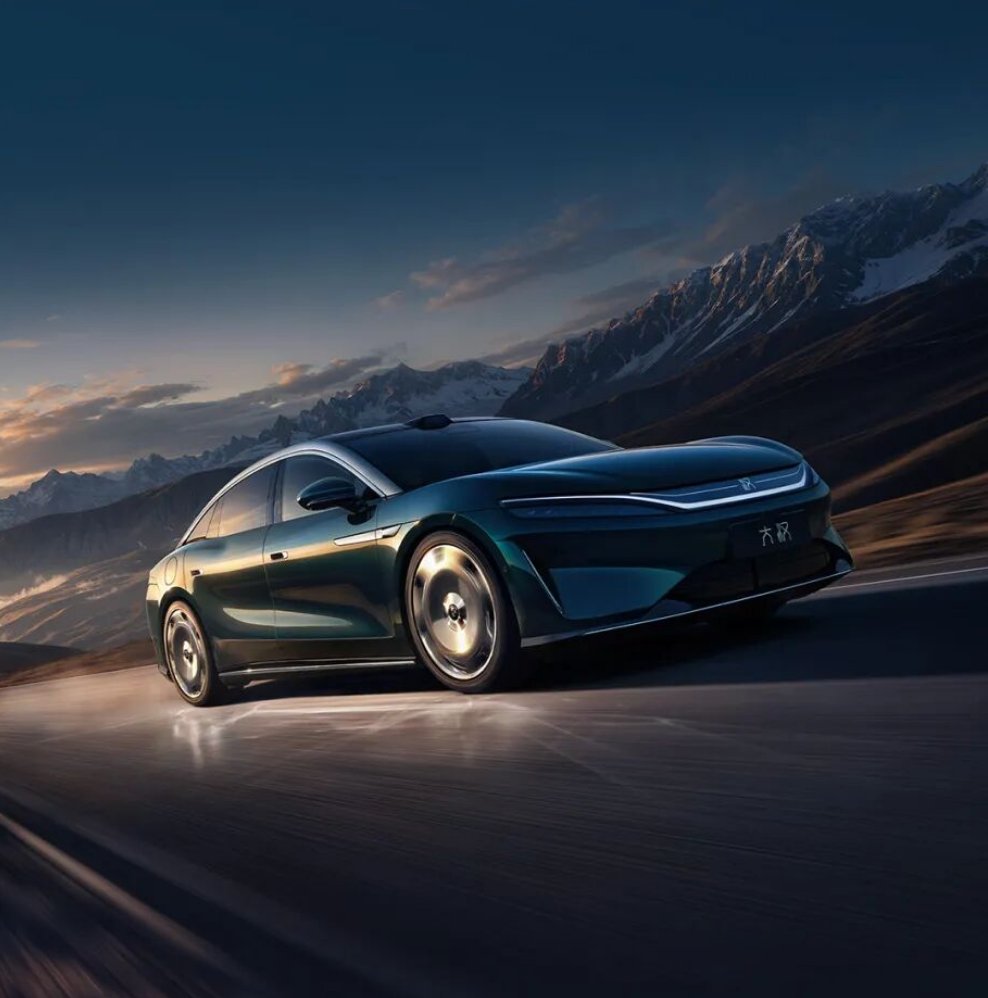
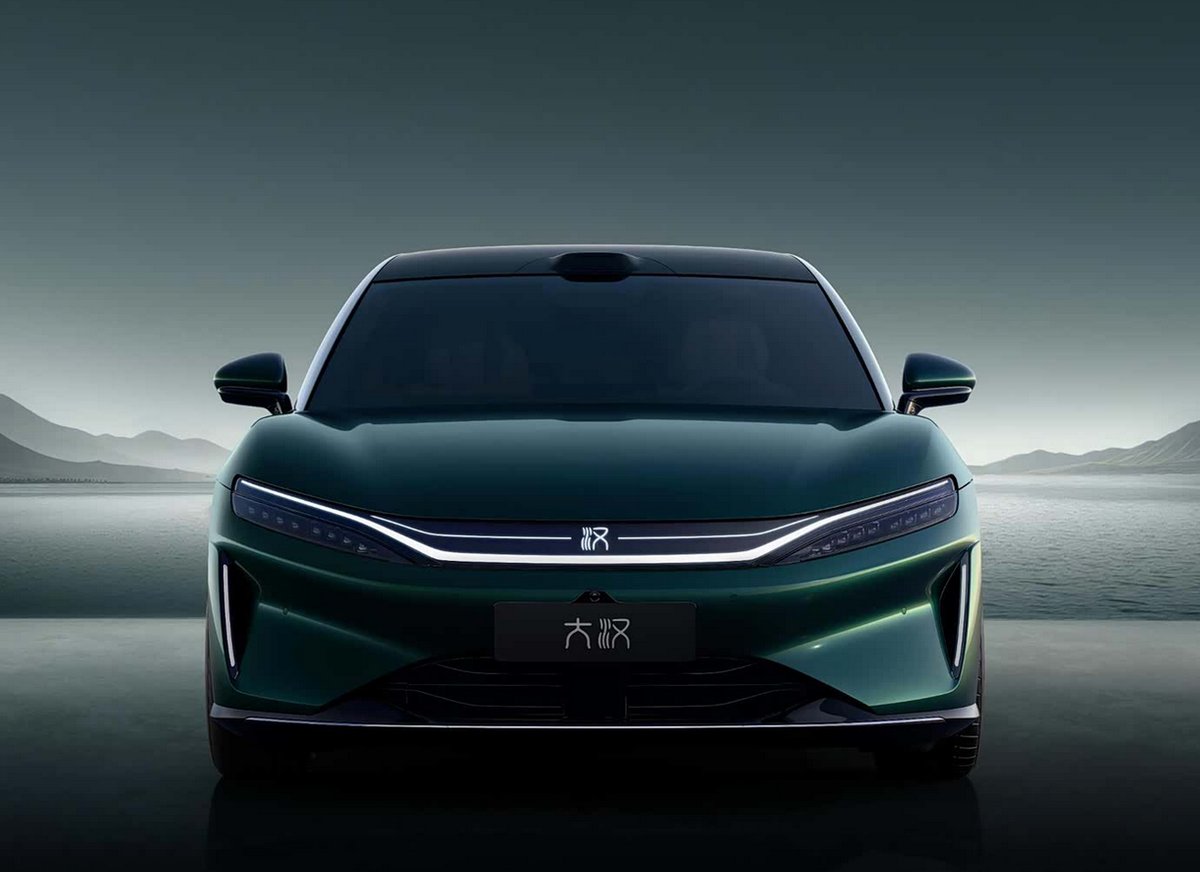
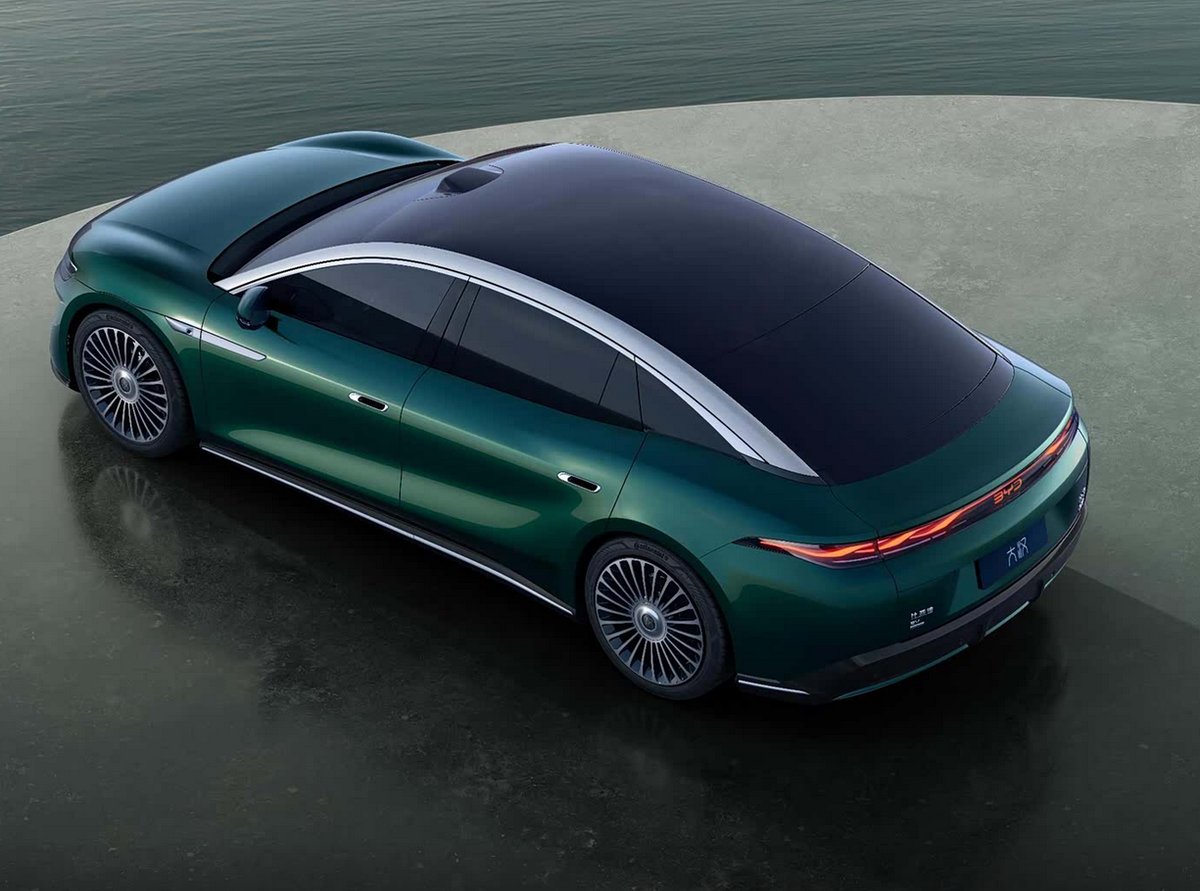
In terms of exterior design, the Dahan continues the design language of the Dynasty family, equipped with semi-hidden door handles and four-door electric suction doors. It offers two wheel sizes, 20-inch and 21-inch, with floating wheel center caps that keep the "Han" character upright while driving. The body dimensions are 5256/1999/1510 mm, with a wheelbase of 3130 mm. The front trunk has a capacity of 130 liters, and the rear trunk has a capacity of 500 liters. The body color options include five solid colors and four two-tone color schemes.
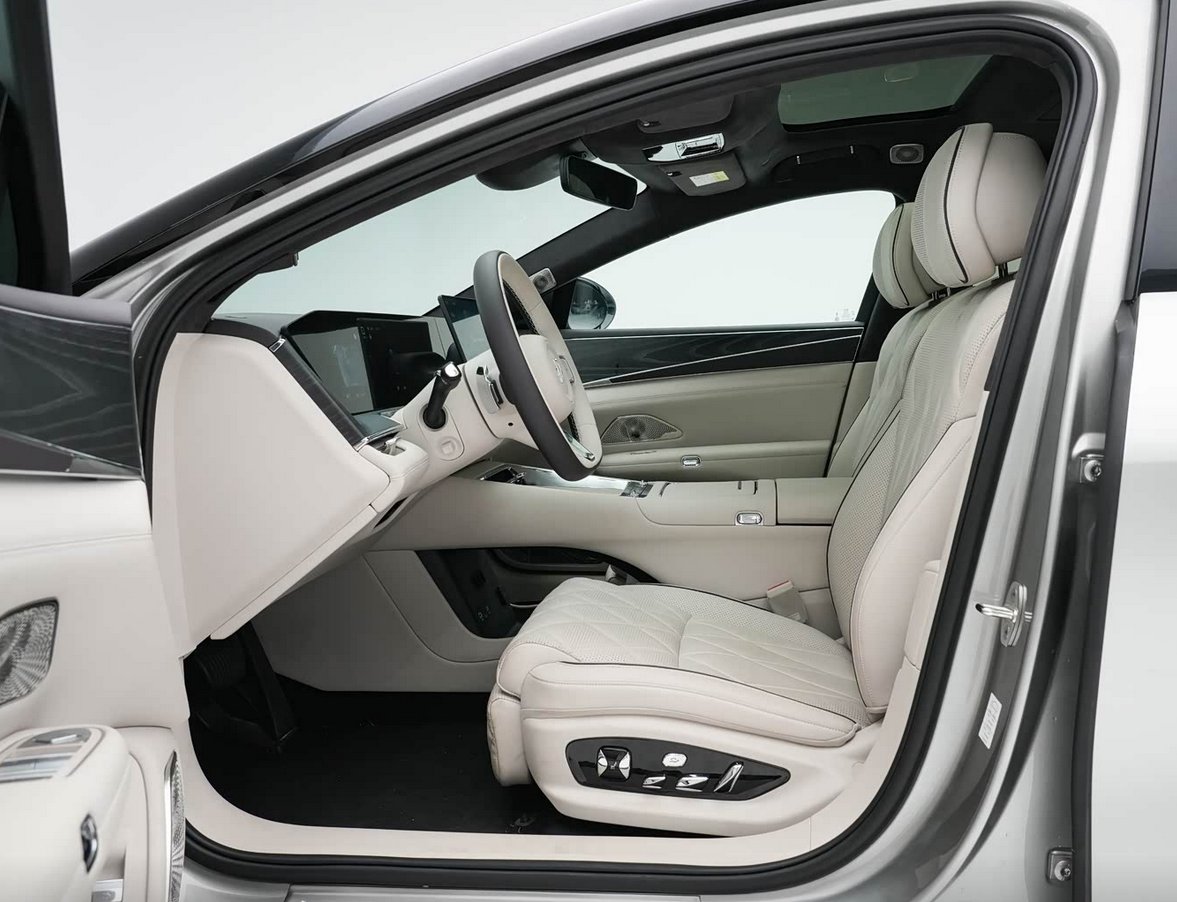
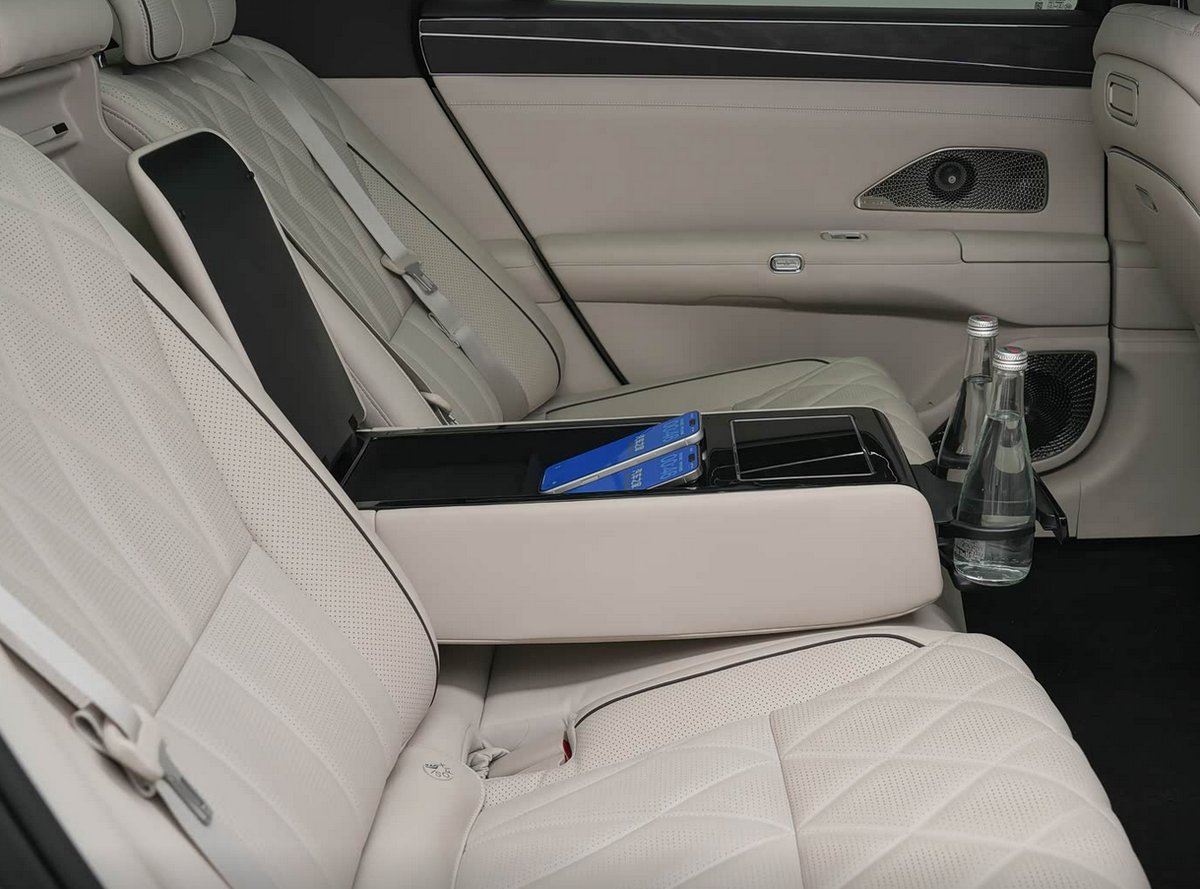
In terms of the cabin, the seats are made of genuine leather, with dual zero-gravity seats standard in the front row, featuring memory electric adjustment, heating, ventilation, and massage functions. The second-row seats of the Flagship Edition also come with memory, ventilation, heating, and massage functions. Devialet audio is standard, with 25 speakers in the Premium Edition and 31 speakers in the Flagship Edition, all in a 7.1.4 layout. The Flagship Edition additionally adds an in-car heating and cooling box, a streaming media interior rearview mirror, rear-seat wireless phone charging, a privacy sound shield, and more.
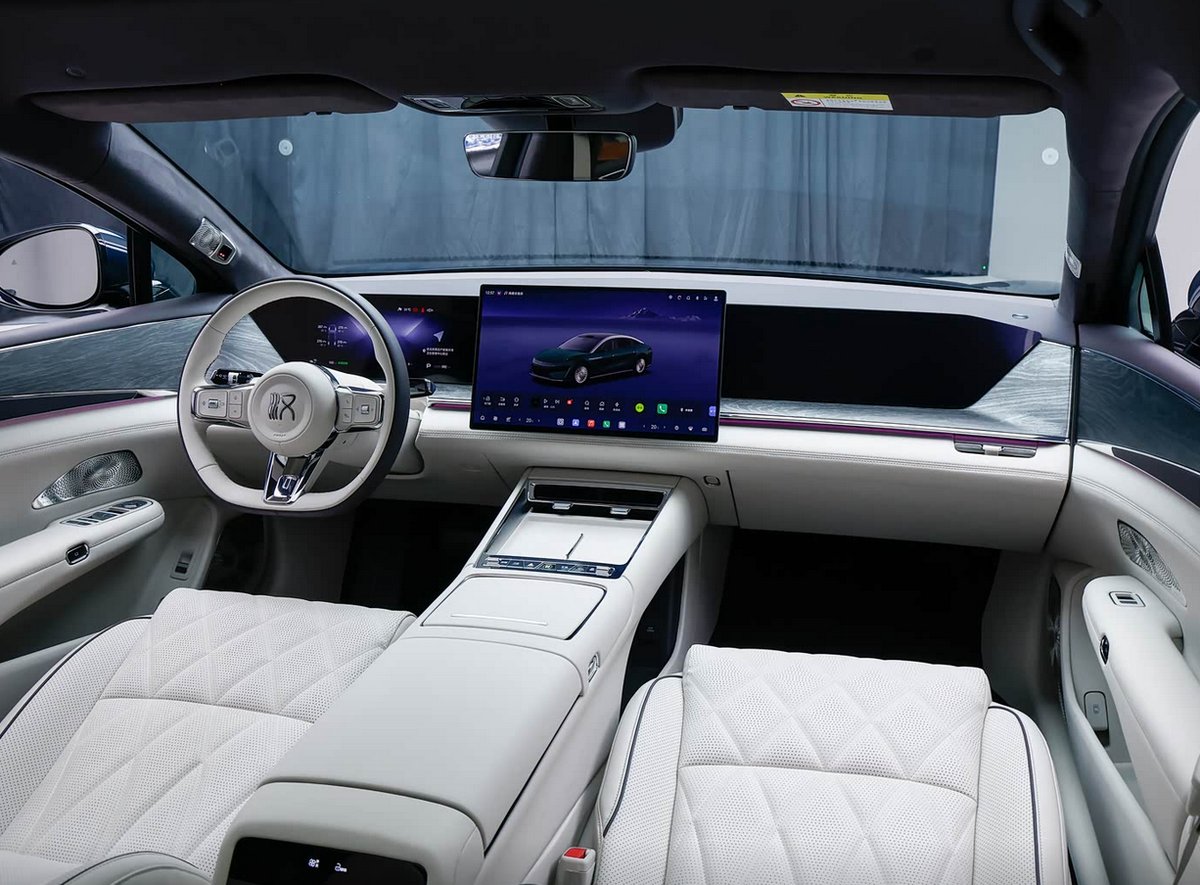
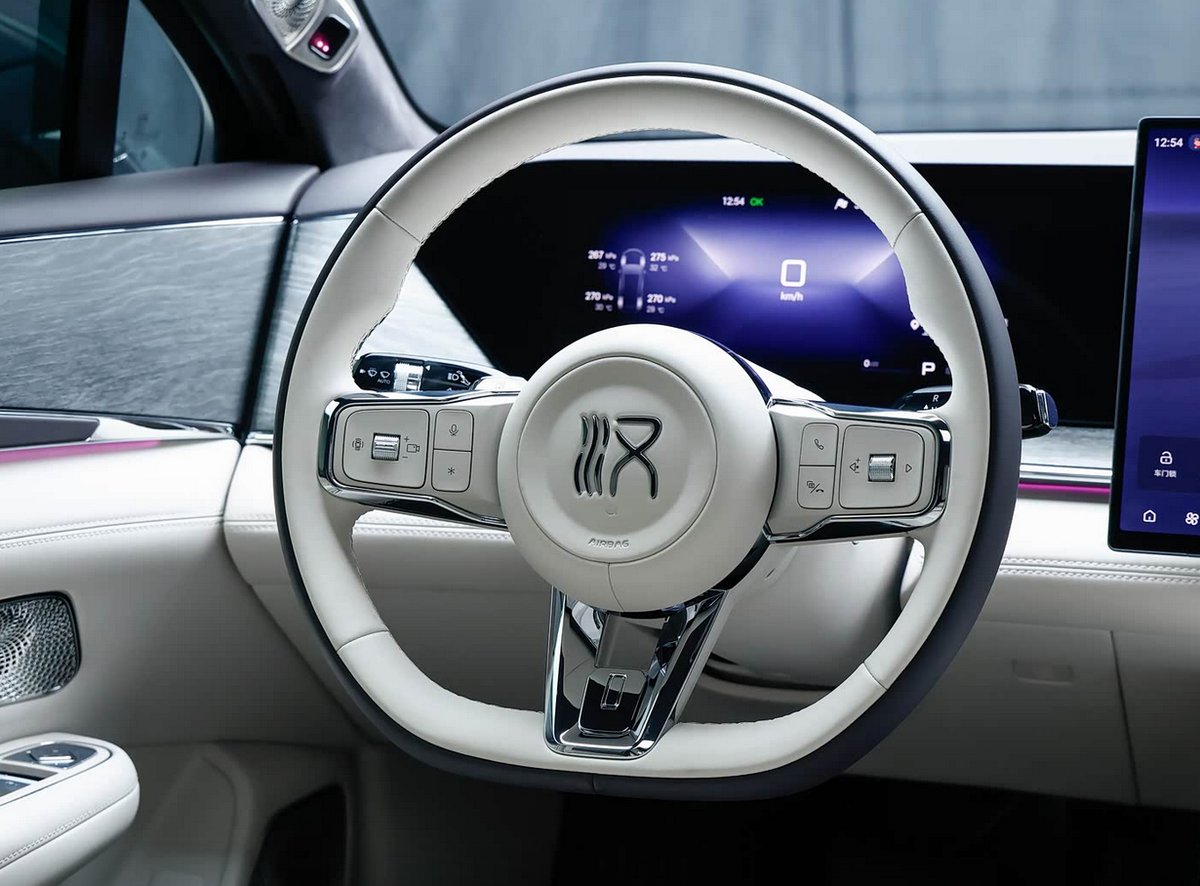
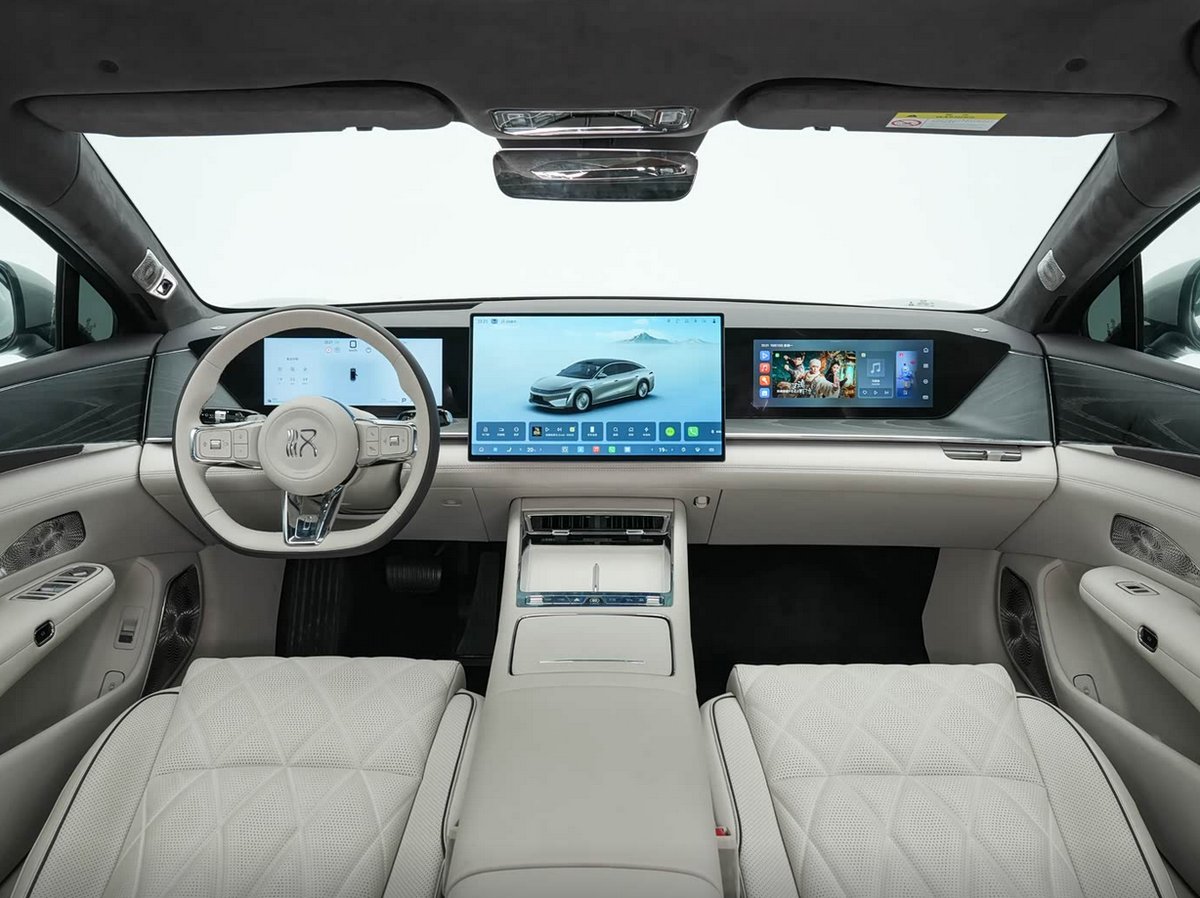
The Dahan comes standard with a 17.3-inch 3K central control screen and a 12.3-inch full LCD instrument cluster. The Flagship Edition adds a 12.3-inch front passenger screen, a 17.3-inch rear roof-mounted screen, and a 40-inch AR-HUD. The infotainment system features the built-in AI agent "Didi Xia," supporting four-zone voice wake-up and continuous conversation. It is equipped with the God's Eye B and God's Eye 5.0 intelligent driving systems, featuring 1 LiDAR, 11 cameras, 3 millimeter-wave radars, and 12 ultrasonic radars, totaling 27 sensors, supporting highway navigation, urban navigation, and full-scenario intelligent parking assistance.

In terms of powertrain, the entire lineup is equipped with a 102.3 kWh second-generation lithium iron phosphate Blade battery. Two versions are offered: single-motor and dual-motor. The single-motor version has a maximum power of 370 kW, a CLTC pure electric range of 1008 km, and a 0-100 km/h acceleration of 4.9 seconds; the dual-motor version has a combined power of 570 kW, a CLTC range of 880 km, and a 0-100 km/h acceleration of 3.3 seconds. It supports flash charging, going from 10% to 70% in about 5 minutes and to 97% in about 9 minutes, with charging time increasing by about 3 minutes in environments of minus 30 degrees Celsius.

The Dahan comes standard across all variants with the Yunian-A dual-chamber air suspension, paired with CDC electromagnetic dampers, supporting 100 mm of body height adjustment, and equipped with road preview functionality that can identify road conditions ahead in advance and adjust suspension firmness. Rear-wheel steering is standard, with a maximum steering angle of ±7 degrees and a minimum turning radius of 4.95 meters. In addition, the TBC high-speed tire blowout stability system and 11 airbags are standard across the lineup.
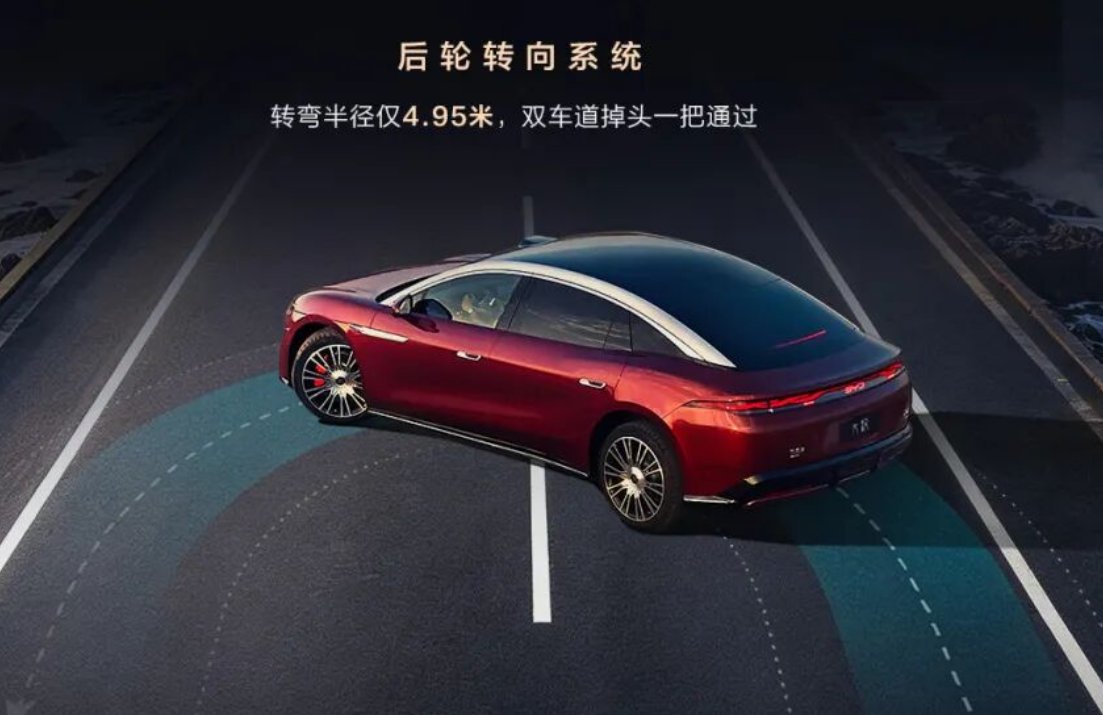
Xiao Tang's view: The Dahan targets two specific usage scenarios: flexibility for low-speed U-turns and parking, and less waiting for long-distance travel. The 5.26-meter body length with a minimum turning radius of 4.95 meters relies on rear-wheel active steering of plus or minus 7 degrees; the CLTC range of 1008 km with 9-minute flash charging focuses on reducing charging stop time. Large cars not being agile enough and long trips being scheduled around charging stations are two things often mentioned about large all-electric sedans, and it has provided responses to both in its specifications. Specifications give direction, but only experience can give conclusions.