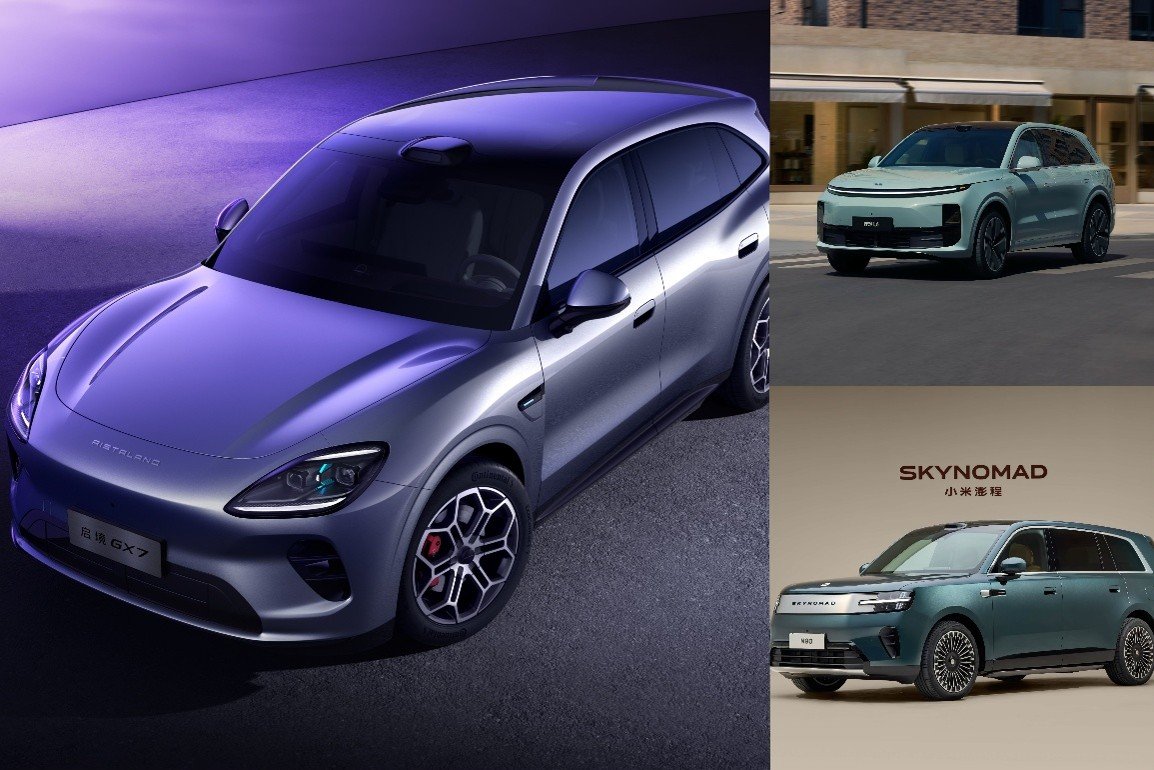
On the table for ¥250,000-class extended-range SUVs, three cards are laid out together: the Li Auto L6, ¥249,800, one trim conquering the world, the strongest brand; the Pengcheng N90, from ¥269,900, the biggest car, the longest range; the Qijing GX7, limited-time benefit price from ¥229,900, nearly ¥20,000 cheaper than the Li Auto and a full ¥40,000 cheaper than the Pengcheng. The price gap is ¥40,000, yet the equipment runs the opposite way—that is the entire reason we are talking about this today.
First, let's lay out all three equipment tables.
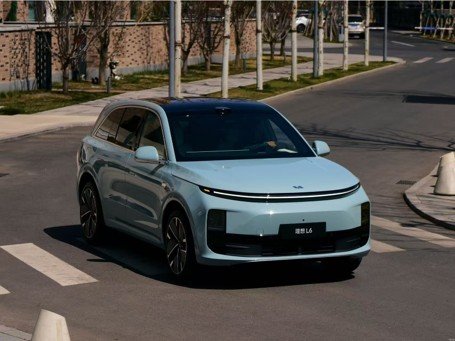
The Li Auto L6 has only one Ultra version across the lineup, ¥249,800, a 51 kWh battery, 300 km CLTC electric range, front double wishbone and rear five-link all-aluminum suspension with dual-valve CDC, 1 lidar plus the self-developed Mach M100 chip, 1,280 TOPS of computing power, four-door soft-close doors, a hot-and-cold fridge, and a 29-inch 6K integrated screen all standard. Li Auto's logic is clear: one trim, no choice paralysis for you, but don't expect anything more either.
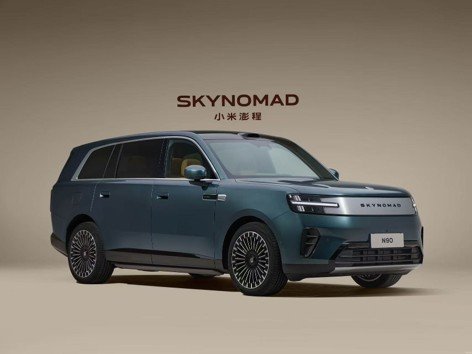
The Pengcheng N90 comes in two versions, Max at ¥269,900 and Explorer Edition at ¥299,900, a 76 kWh battery, 464 km electric range, 1,705 km combined range, dual-motor all-wheel drive standard across the lineup, air springs plus CDC, a 700 TOPS Nvidia Thor chip, plus a roof lidar and a rear solid-state lidar. The car is 5,285 mm long, with a 3,080 mm wheelbase, a 2+2+3 seven-seat layout, zero-gravity seats in the first two rows with massage, ventilation and heating, and heating even in the third row. Pengcheng's strategy is "stack enough hardware, but the price goes up too."
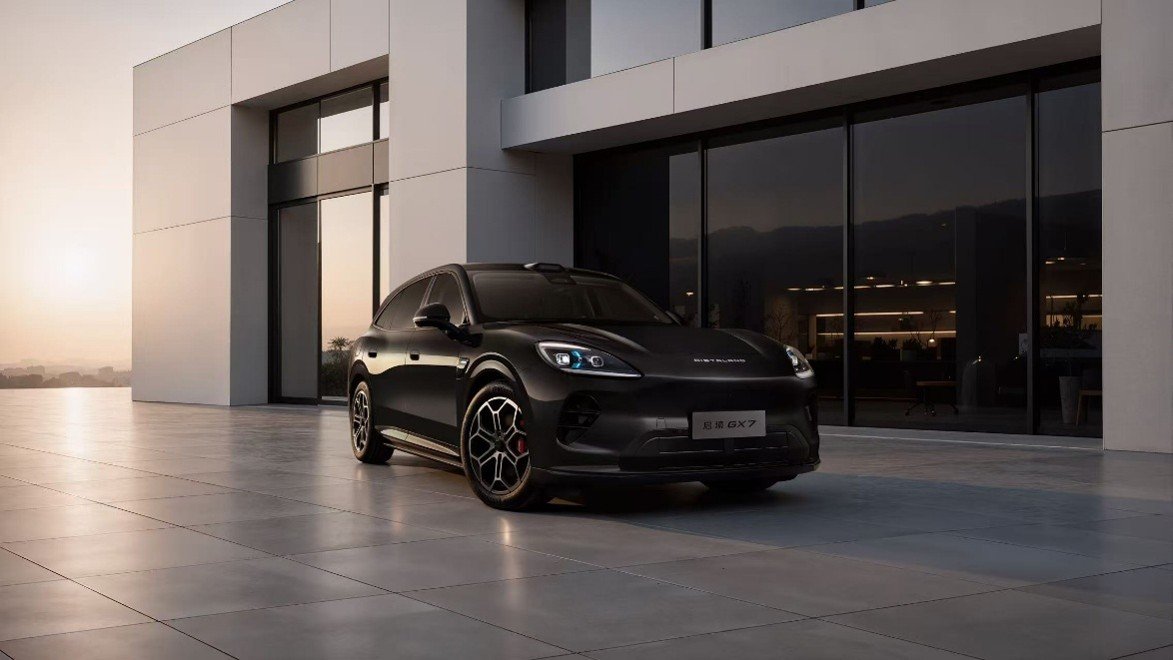
The Qijing GX7 has three versions, with limited-time benefit prices of ¥229,900, ¥249,900 and ¥291,900. The car is 5,099 mm long, 2,006 mm wide, with a 3,070 mm wheelbase and a five-seat layout. But what truly unbalances the equipment table is what it lists as "standard across the lineup."
First and foremost, apart from the base Ultra version (¥229,900) which has no air suspension, all other trims of the Qijing GX7 are equipped with closed dual-chamber air suspension plus continuously variable damping shock absorbers, and a rear all-aluminum H-arm multi-link setup—note the words "closed dual-chamber."
Single-chamber air suspension can only adjust ride height, while dual-chamber air suspension can simultaneously dial up two genuinely different chassis characters between comfort and sport. The ¥249,900 Li Auto L6 has no air suspension; the ¥269,900 Pengcheng N90 has air suspension, but whether that is single- or dual-chamber, the official wording only says "air springs," whereas Qijing explicitly states "closed dual-chamber." A car starting at ¥229,900 has higher chassis hardware specifications than two rivals costing twenty to forty thousand more.
Look at smart driving next—the gap is even less forgiving.
The Li Auto L6 comes standard with 1 lidar plus 1 Mach M100, 1,280 TOPS, and both highway and urban NOA are usable; spending ¥30,000 on the "Dual Mach Embodied Intelligence Package" upgrades it to 2 chips plus 4 lidars. The Pengcheng N90 has a roof lidar plus a rear solid-state lidar across the lineup, a 700 TOPS Thor chip, and Xiaomi HAD urban and highway navigation assist.
The Qijing GX7's approach is: 4 lidars standard across the lineup, including 1 896-line dual-optical-path image-grade lidar and 3 high-precision solid-state lidars, 38 sensors throughout the car, and Huawei Qiankun ADS 5. Parking-spot-to-parking-spot 3.0 supports one-tap direct access to 1.2 million parking lots nationwide, with targeted optimization for automatic avoidance when meeting oncoming cars in narrow passages and gesture-controlled pull-out. More critically, the entire GX7 lineup is developed on an architecture oriented toward L3 autonomous driving, with full redundancy across eight major systems: power supply, steering, braking, communication, positioning, computing, perception and interaction.
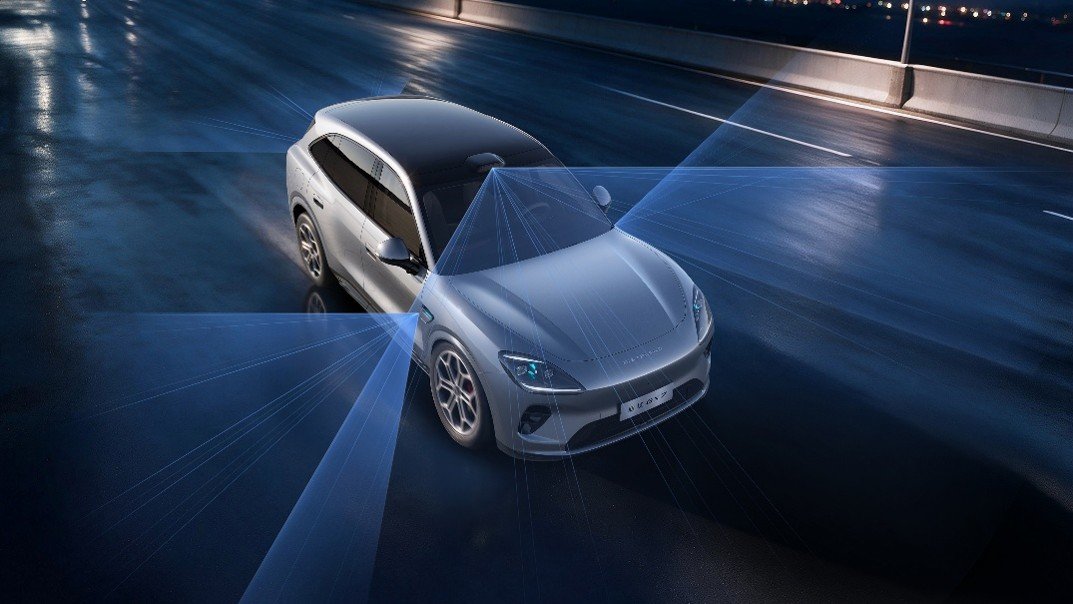
The Li Auto L6's 4 lidars require a ¥30,000 option, the Pengcheng N90 has 2 lidars, and the Qijing GX7 has 4 standard across the lineup, with a starting price ¥20,000 cheaper than the Li Auto L6. This math doesn't need to be done twice.
On space, each makes its own trade-offs, but Qijing's choice is more pragmatic.
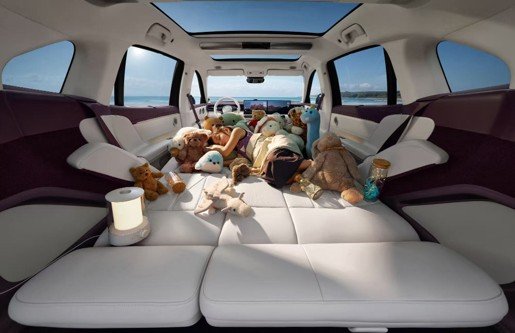
The Pengcheng N90 is a seven-seater, 5,285 mm long, with a usable third row, suited to multi-scenario travel for three generations under one roof. The Li Auto L6 is a five-seater, 4,935 mm long, with a 2,920 mm wheelbase—smallest in size but highest in maturity, backed by validation from 400,000 owners. The Qijing GX7 is likewise a five-seater, but at 5,099 mm it is 164 mm longer than the Li Auto L6, with 150 mm more wheelbase, directly lifting rear space by a class. It also has a 20-second one-tap fully flat bed, 32-point full-body acupressure massage, and rear leg rests, cushions, seatbacks and headrests that fold in coordination, taking the space utilization of "five seats" to another dimension.
Finally, back to the most basic question: is the extra money worth it.
The Li Auto L6's ¥249,800 buys brand trust and a mature experience; the Pengcheng N90's ¥269,900 buys a large seven-seater and super-long range—both sums make sense. But the Qijing GX7's logic is: at a price ¥20,000 lower than the Li Auto L6, give you dual-chamber air suspension, 4 lidars, an L3 architecture, ADS 5, HarmonyOS Cockpit 6, CATL batteries, and a body size a size larger than its rivals. It does not win on one single item; it simultaneously raises the ceiling of the ¥250,000 class across four dimensions: chassis specifications, smart-driving hardware, body size and cockpit ecosystem.
Of course, as a new brand, Qijing's channel coverage and delivery capability need time to prove themselves, and the actual experience of Huawei ADS 5 will only count once real users have put it through its paces. But the equipment table is there, and the price is there. Limited-time benefit price from ¥229,900, and at ¥249,900 you get dual-chamber air suspension, 4 lidars and an L3 architecture as standard—this fact alone already makes the pricing logic of ¥250,000-class SUVs untenable.


