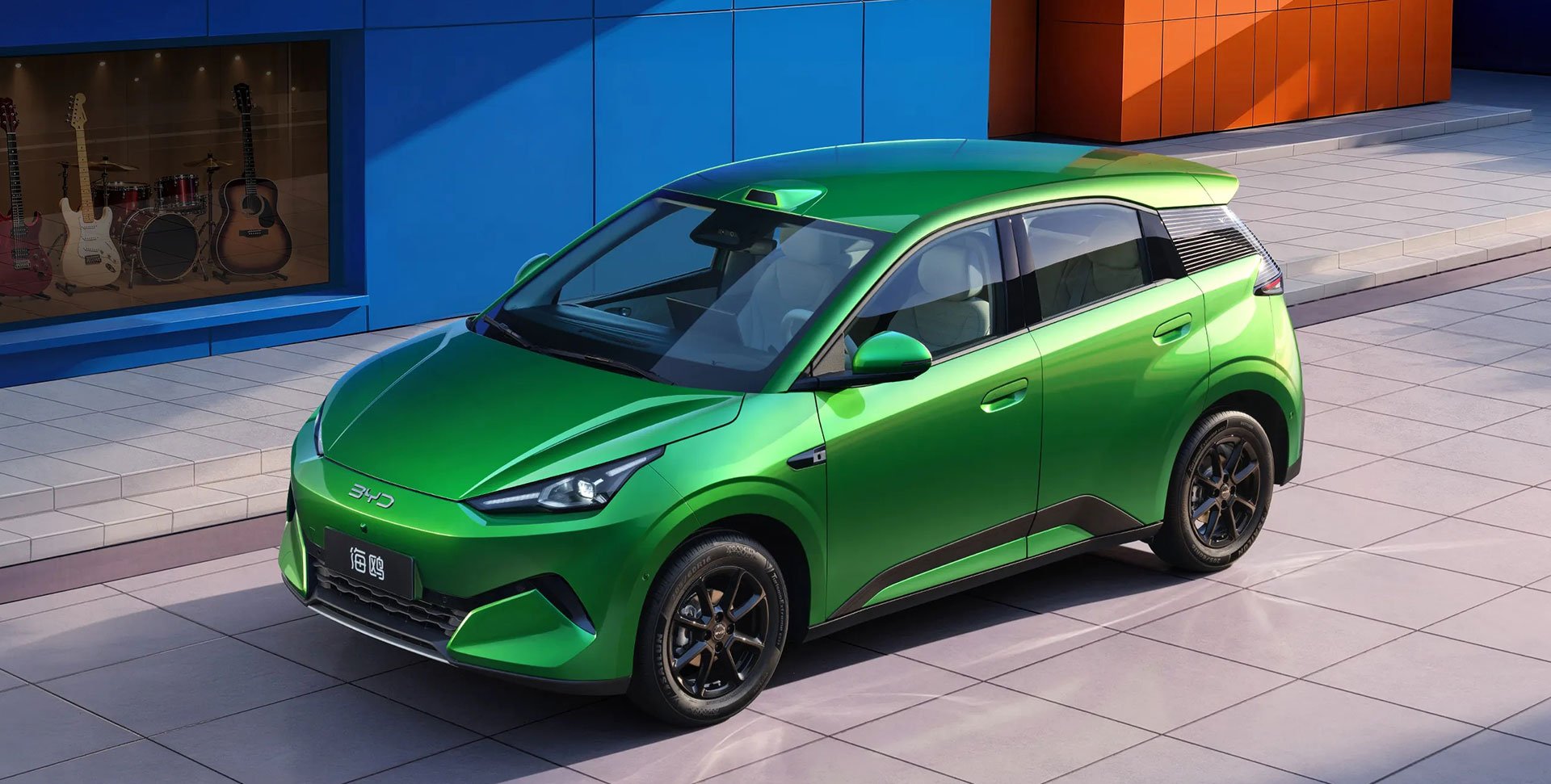
It must be said that after switching to a five-seat layout, the target customer base of the second-generation Seagull may grow exponentially. Combined with the second-generation blade battery and flash charging technology, the small-car segment of the domestic auto market may be in for another shake-up, and other competitors may once again need to consider upgrading their models.
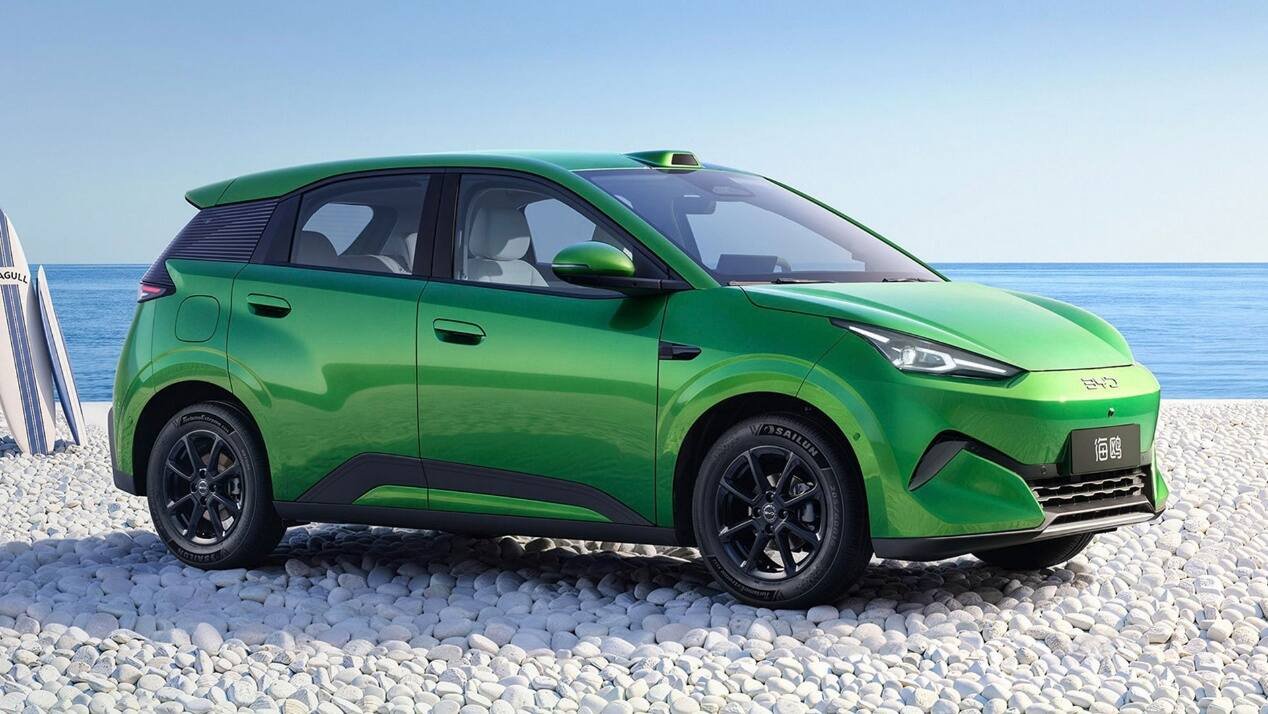
Looking at the two range versions of 320 km and 420 km, the price range of 65,900 to 99,900 yuan is indeed not low, but if you add the second-generation blade battery, flash charging technology, and God's Eye B and other features, even for the 420 km range version, the price of 99,900 yuan is not high, because among competitors, few models can achieve "charged in 5 minutes, fully charged in 9 minutes."
[Are small cars worth buying?]
In the first few years after I started working in auto repair, I actually also liked hatchbacks, mainly because of the influence of the Citroën Fukang; cornering at high speed was so enjoyable, the rear-end inertia was extremely small, and the convenience of folding down the rear seatbacks for loading was also better than that of three-box sedans.
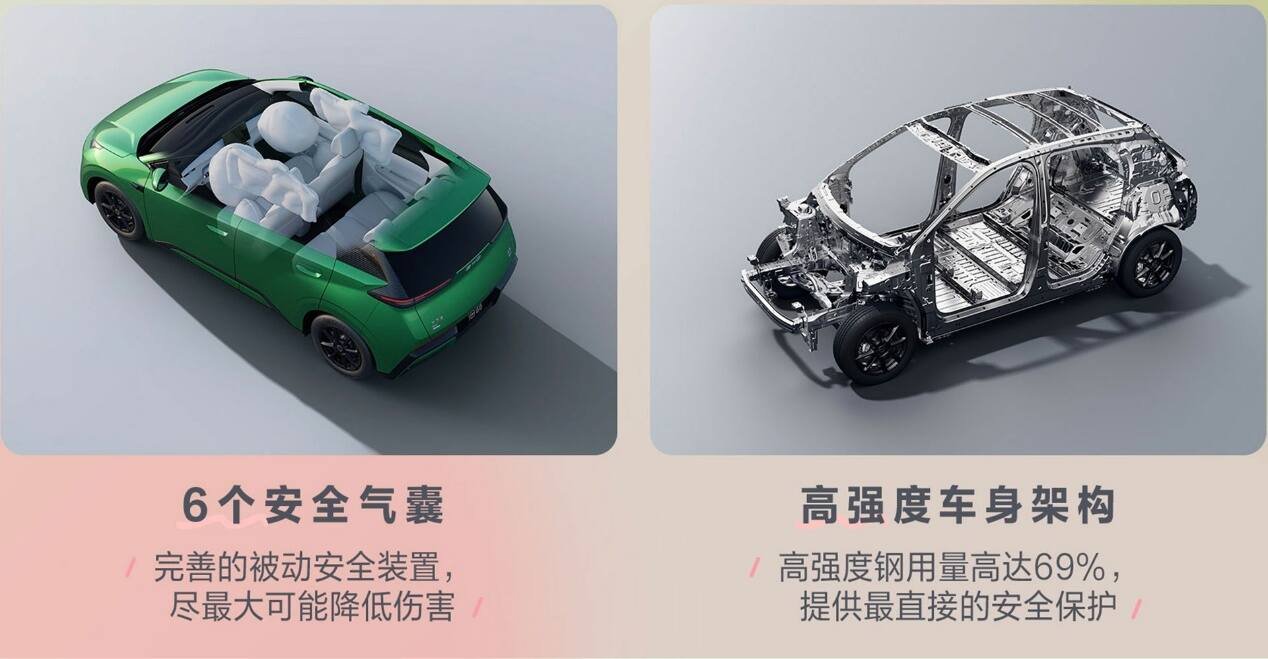
However, after the two accidents of "Infiniti crashing into a Palio" and "BMW crashing into a Mazda 2," my view on car selection changed. When relatives and friends consulted me about car buying, I would use these two famous traffic accidents as examples to explain that "a three-box sedan has one more rear crumple zone, relatively speaking," and that for rear-seat passengers and even all occupants, a three-box sedan may offer slightly better protection than a hatchback of the same class.
In the current traffic environment, there are so many drivers with poor driving skills, and many of them may be driving high-power electric mid- and large-sized cars. If you unfortunately encounter such people and such situations from behind, a small car may suffer very tragic consequences, so I do not recommend small cars.
For the same price, if you choose a used car that is 5 years old, you should at least be able to move up one class, which can not only provide better safety protection for occupants but may also raise the driving and riding quality by another level.
Of course, some car owners prefer "new," which I fully understand and respect, but for car enthusiasts who are "worried about the pitfalls of the used-car market," there is a good way to minimize the risk of "used-car pitfalls."
The buyer may invite the seller to the 4S store for that model to conduct a full vehicle inspection. Back when I worked at a 4S store, this kind of inspection cost no more than 3 labor hours, which came to 360 yuan;
the bodywork technician will provide a brief explanation of the vehicle's accident history, the mechanical technician will provide recommendations on which repair items are needed, and the service advisor will ultimately provide an estimate of how much those repair items will cost. This repair cost can also become a condition for the buyer's price negotiation.
Of course, the buyer needs to bear the upfront fuel subsidy and vehicle inspection fee, and based on current estimates, about 500 yuan is enough.
If there are major flaws in the vehicle condition inspection, isn't this expenditure enough to avoid falling into a trap?
If the vehicle condition inspection shows no major problems, and the buyer also understands the quotes for the repair items needed, won't the buyer be able to see things clearly?
[Why are there so many small cars?]
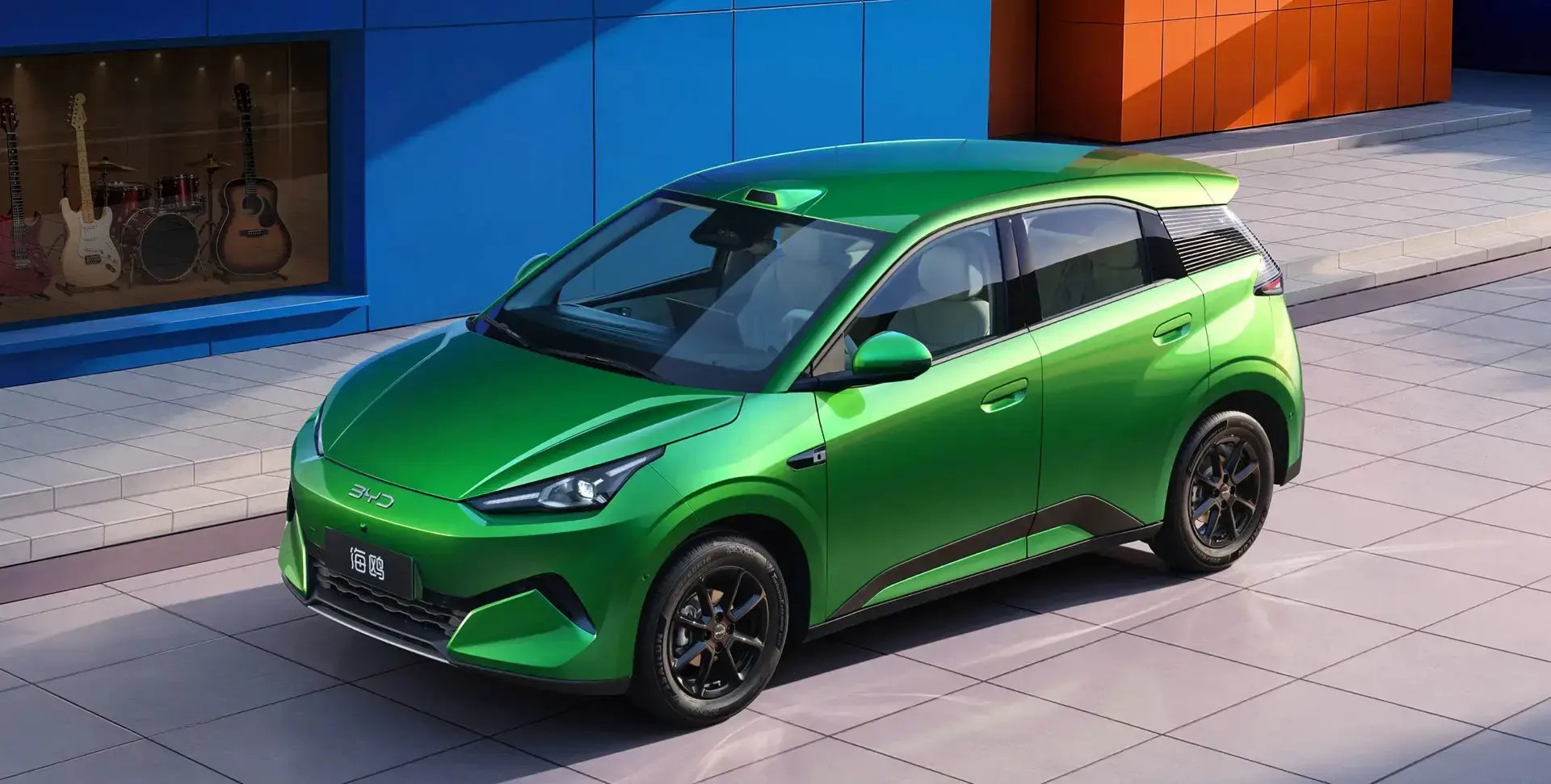
Market demand determines supply. Taking September 2026 sales as an example, there are many models in the 100,000-yuan class with abnormally high sales, and that is market demand.
Geely Xingyuan sold 44,275 units;
Yuan UP sold 22,767 units;
Leapmotor A10 sold 21,772 units;
Changan Qiyuan Q05 sold 18,043 units
Dolphin sold 16,754 units;
Lavida sold 14,425 units;
Bingo Pro sold 14,002 units;
MG4 sold 13,966 units;
Wuling Hongguang MINIEV sold 13,630 units;
QQ3 EV sold 12,688 units;
Bestune Pony sold 12,473 units;
Leapmotor A05 sold 11,945 units;
Binyue sold 10,658 units;
Changan Lumin sold 9,704 units;
Seagull sold 9,517 units;
It can be seen that the market potential of the 100,000-yuan small-car segment can still be further tapped, even if it is just grabbing some customers from competitors. This is also why, despite low profits in small cars, many manufacturers still place bets, and another reason is that they value the future consumption-upgrade potential of the target customer base. Many people really choose models of the same brand out of habit, so developing small cars is equivalent to cultivating a customer base.
[Where are the Seagull's advantages?]
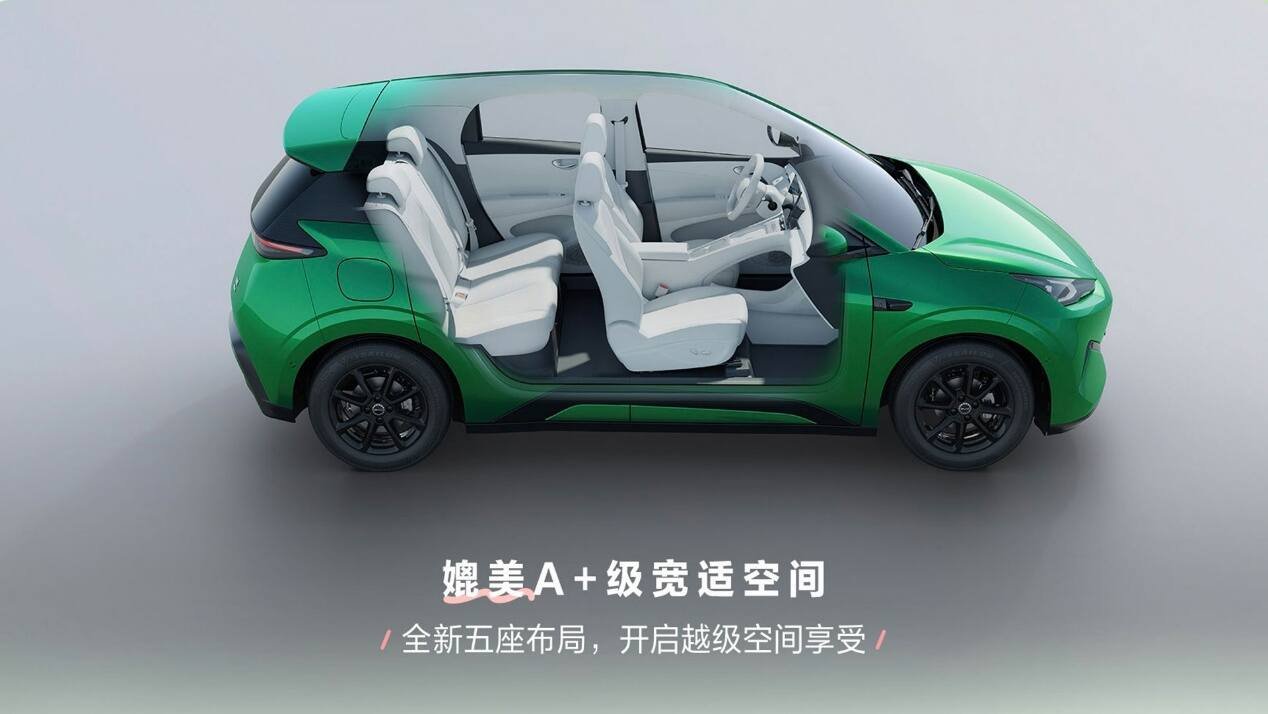
After becoming a five-seater, the Seagull's target customer base may grow exponentially. The previous model's sales may have been limited by its four-seat layout, since some regions check for overloading, and one more seat is always a good thing, so upgrading the second-generation Seagull to five seats should become an advantage of the Seagull itself;
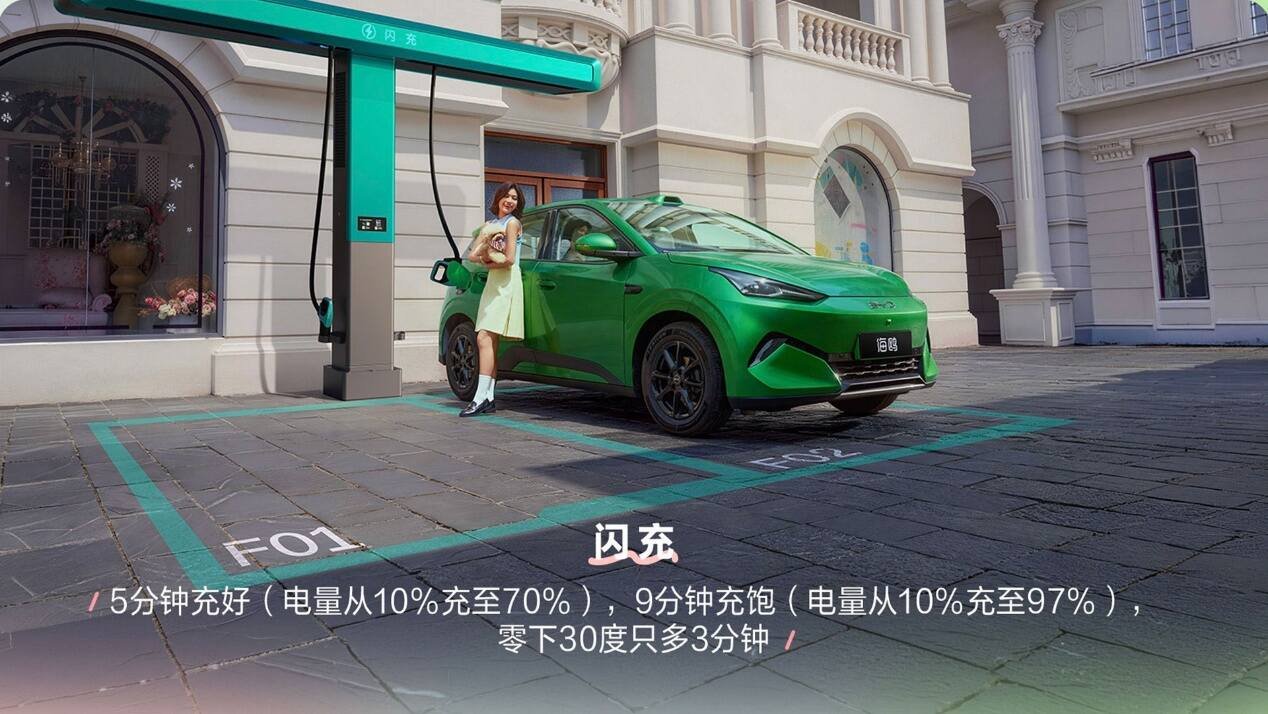
The second-generation Seagull has set three 420 km range versions, and all three support "charged in 5 minutes, fully charged in 9 minutes." In this regard, among models in the same price class, there are probably few that can surpass it, so this should also become the Seagull's second major advantage in dealing with competitors;
The second-generation Seagull also has two 320 km range versions, and in the 30%-80% high-efficiency charging range, replenishing energy takes 31 minutes. From the perspective of charging speed and price difference, I suggest not considering the two 320 km versions, because the price difference is indeed not high.
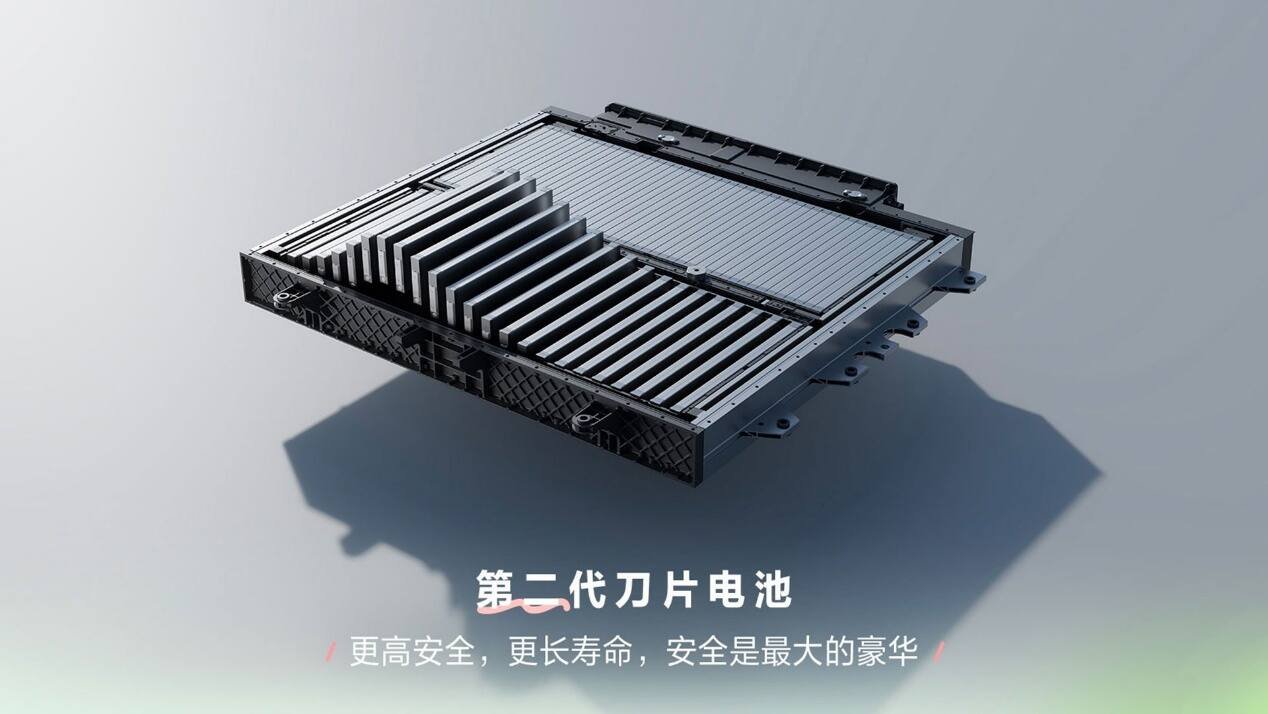
From the perspective of charging speed, at least the three 420 km range versions should be equipped with the second-generation blade battery, with a power battery capacity of 39.2 kWh. Parameters given by a certain automotive vertical website show that its battery cooling system adopts direct cooling mode; the battery cooling method of the two 320 km range versions is labeled "air cooling," which is also an important reason why I recommend the three 420 km range versions more.
Also, if it is refrigerant plate direct cooling, users of such models must pay attention to preventing underbody impacts, because if the refrigerant plate is at the very bottom of the power battery, underbody impacts can easily damage the refrigerant plate and cause considerable repair costs.
In other respects, relative to competitor models, the second-generation Seagull cannot be said to have obvious advantages.
[Suspension and driving system]
The second-generation Seagull adopts a MacPherson front suspension + multi-link rear suspension setup, with a rear-mounted rear-drive drive format.
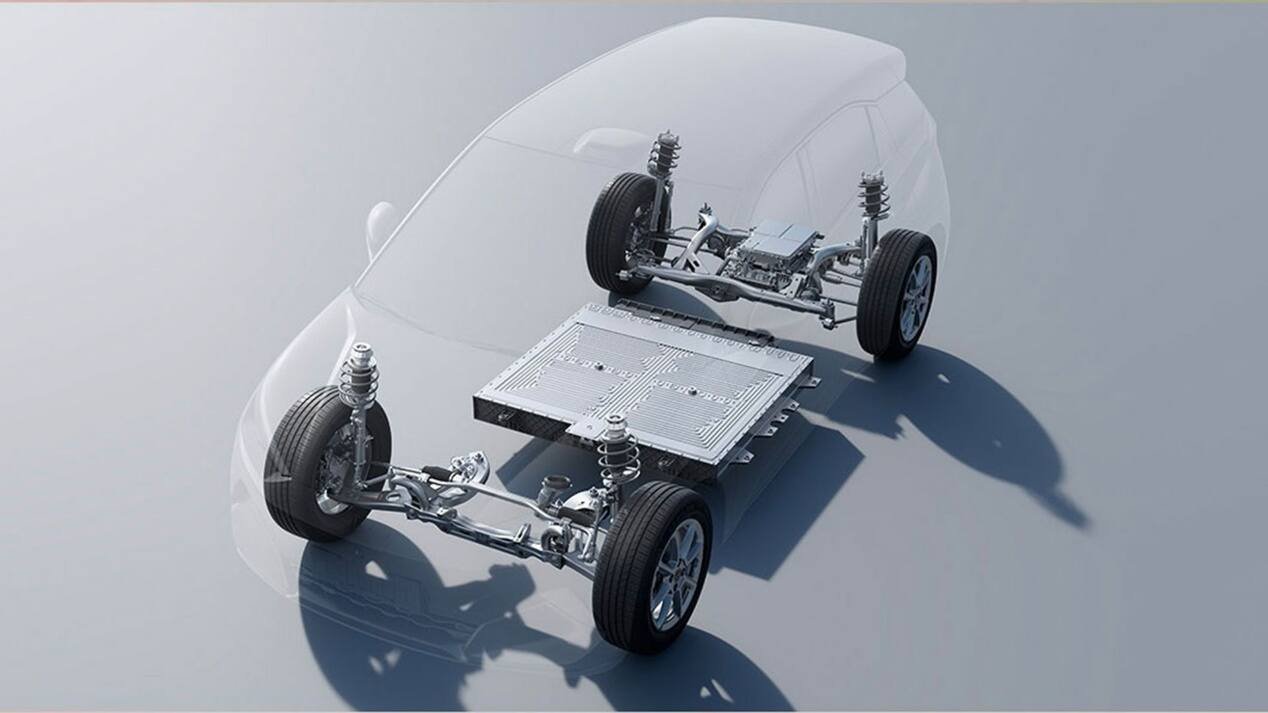
Although in terms of suspension form, a multi-link rear suspension looks a bit better than a torsion beam rear suspension, for rear-mounted rear-drive models, using a torsion beam rear suspension may make it difficult to lay out the drive motor, while a multi-link rear suspension is more convenient. Therefore, for front-drive cars at this price, torsion beam rear suspension is more common.
The tire specification for all second-generation Seagull models is 205/60R16, which is much more substantial than joint-venture small cars of the same class ten years ago. Nowadays, models like the Vios and Fit can no longer compete, and this is the contribution of domestic new-energy small cars: larger space, faster acceleration, lower travel costs, and richer feature configurations. Even if consumers have emotional attachments, as long as they have tried them, they may not be able to convince themselves not to choose a domestic small new-energy car.
However, for car enthusiasts who often drive on "wet and slippery roads," rear drive is more prone to slipping than front drive. This should be known, and the decision should be made according to one's own driving skill level.
Also, for small cars at this price, let's not talk about "handling"; being easy to drive and easy to use is what matters. If you want better driving and riding performance, a used car at the same price and 5 years old may be a better choice.
In addition, when I previously published content on similar models, some car enthusiasts also feedback that the advantage of a multi-link rear suspension over a torsion beam rear suspension lies in the rear-seat ride experience.
This reminds me of the experience back then comparing the Fiesta and the Fit. A certain university used professional equipment to conduct a ride comfort test, and the Fiesta's result was clearly better than the Fit's. Later, we conducted a fun test: placing a cup of water in the cup holder in the car and driving on the dirt roads on both sides of a river channel, the Fiesta spilled more water than the Fit. After hearing this, wouldn't you also find it subversive?
Therefore, for car enthusiasts who hold the view that "a multi-link rear suspension provides better rear-seat comfort than a torsion beam rear suspension," you had better take your family for a test drive first, and ultimately just respect your own subjective feelings. In most parts of the country now, paved roads account for the majority. As long as the road conditions are not particularly bad, there may be little difference in ride comfort between a torsion beam rear suspension and a multi-link rear suspension in cars at this price, unless the manufacturer's tuning is particularly poor.
[Assistance features]
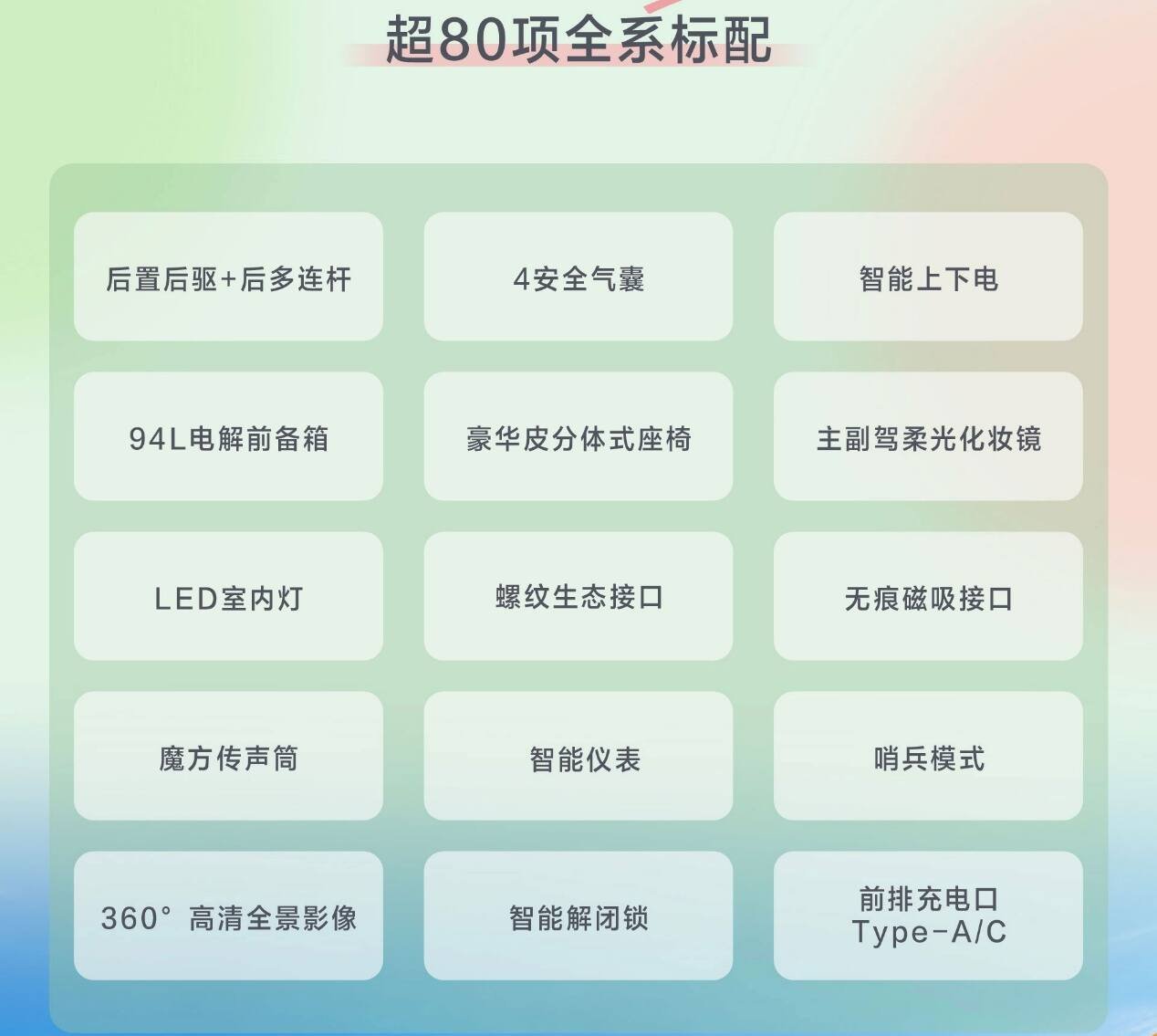
Thanks to the cost advantage brought by BYD's vertical integration of the industrial chain, the second-generation Seagull's configuration-to-price ratio remains excellent, that is, its feature configuration is quite rich.
For example, the entire lineup comes standard with rear parking radar (front and rear parking radar on the top trim), 360° panoramic camera, cruise control (full-speed adaptive cruise on the top trim), leather 4-way adjustable steering wheel, leather seats, height-adjustable driver's seat, 12.8-inch central control screen (15.6-inch on the top trim), 5G network, dual-zone voice control, 6 kW external discharge, and other functions.
For experienced drivers, I give priority recommendation to the 420 km range Zizai version; the feature configuration of this version is sufficient;
After sorting through several version configurations, I have a slight opinion on the two items of power tailgate and front-seat massage seats. After all, for the 320 km range Ziyou version, if these two configurations were removed and the price lowered a bit further, it might be better.
Because the price difference between the 320 km range Ziyou version and the 420 km range Zizai version is only 3,000 yuan, but for car owners with higher vehicle utilization, 100 km of range + flash charging is obviously more practical. What do you think?
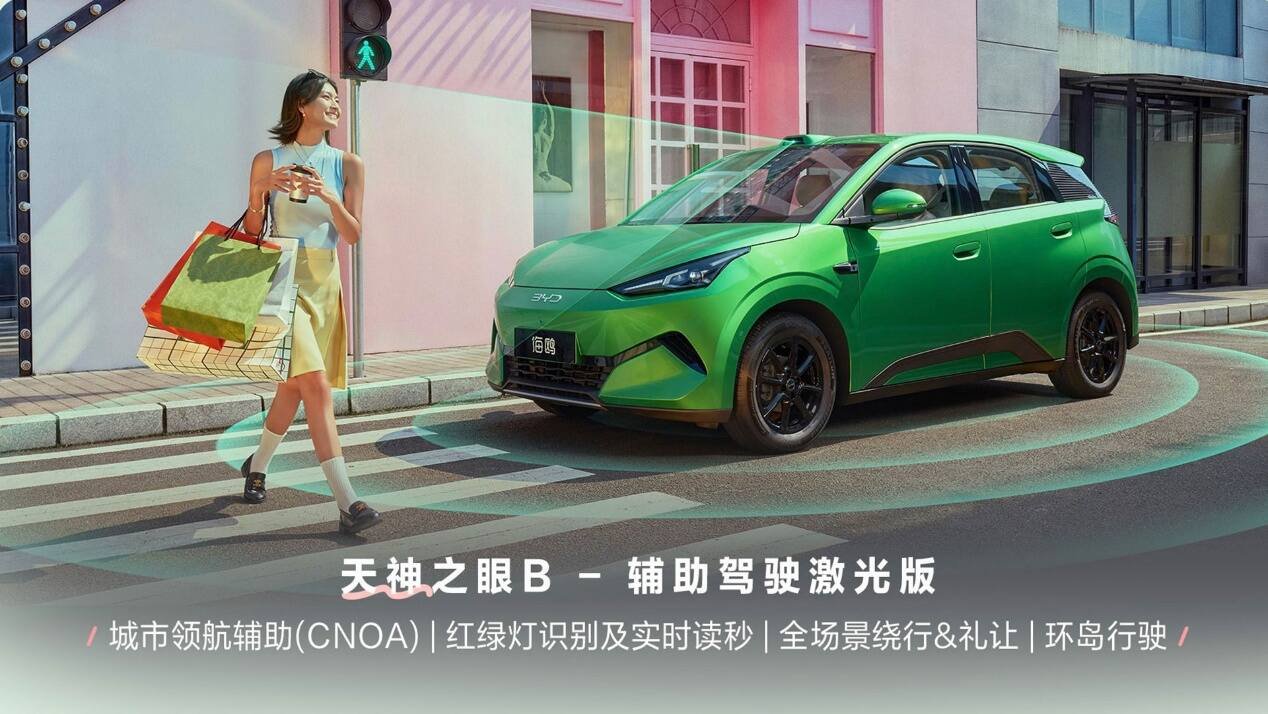
There is also the 99,900-yuan 420 km range Zhiqu version, for which BYD provides God's Eye B - assisted driving laser version, and the L2-level assisted driving functions are also quite rich.
Judging the price solely by the configuration, 99,900 yuan is not high, and the cost-performance of this version is also decent, but for the target customer group, do they really need such powerful assisted driving functions?
Compared with the 420 km range Feixiang version, the Zhiqu version is 17,000 yuan more expensive. For car-consuming families with a car-buying budget of 100,000 yuan, a price difference of 17,000 yuan is really not low.
Also, for novice drivers, I believe that not using assisted driving is more beneficial for improving driving skills. Judging from the recent accident case in Shenmu where a car hit a pole and caught fire, even the most powerful intelligent assisted driving may hardly save lives in emergencies, while using assisted driving may increase the risk of drivers relying on assisted driving. Therefore, considering comprehensively the target customer group's vehicle use needs, vehicle price differences/configuration comparisons, and improvement of driving skill levels, I do not recommend the top trim.
Because the second-generation Seagull entire lineup comes standard with rear parking radar + 360° panoramic camera + auto hold + hill-start assist, this can already fully meet the vehicle use needs of experienced drivers and can also assist novice drivers in completing parking in relatively complex parking environments. Only by practicing driving skills well is there a greater guarantee for future driving safety.
Summary:
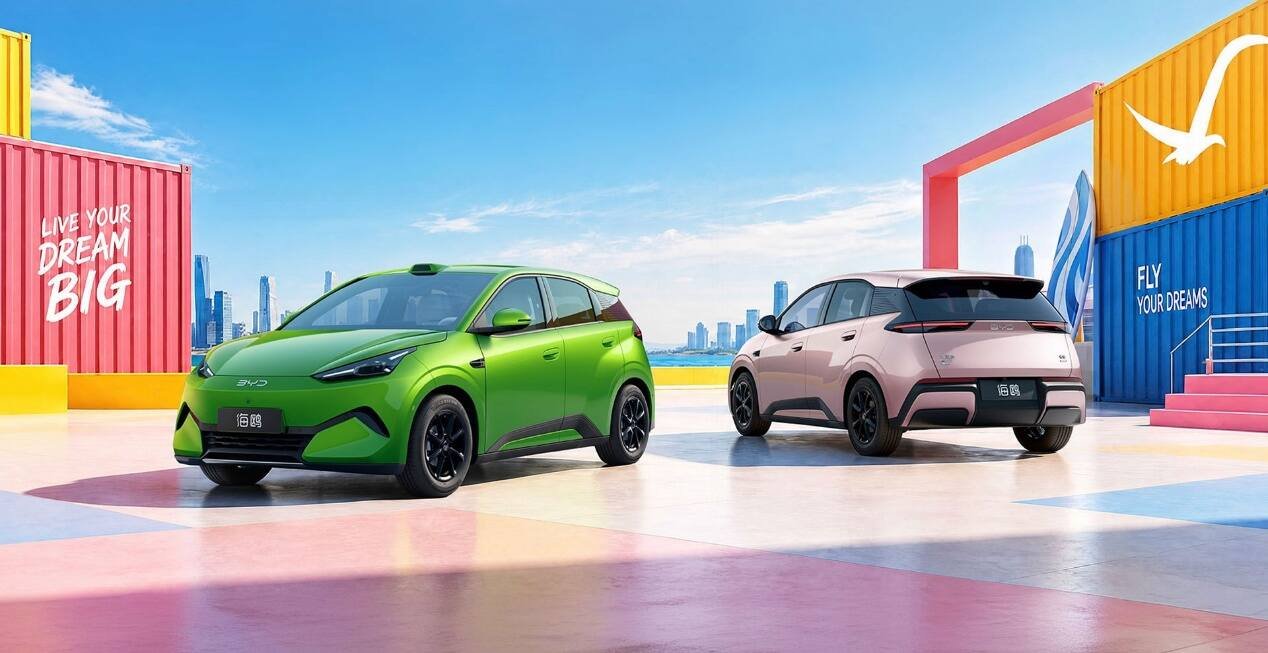
If you have a car-buying budget of around 80,000 yuan and want to choose a pure electric small car, the second-generation Seagull still has some advantages compared with models of similar price and similar class, such as the second-generation blade battery + flash charging, and it has also been changed to a five-seat car, which improves vehicle usability.
If other competitor models do not update and iterate quickly, the small-car sales champion may change hands in the next few months, so other competitors also need to speed up the pace of upgrading.
This is the real reason why the domestic auto market is so fiercely competitive, and it has no choice but to be fiercely competitive. "Learning is like rowing upstream; not to advance is to retreat." The same applies to making and selling cars!
In the era of fuel vehicles, most models had a tacit understanding regarding model updates: a minor facelift every two years and a major change every 4-5 years. This could ensure the interests of car owners, that is, relatively guaranteed vehicle residual value, and also ensure enough time for reliability verification of new models, avoiding the risk of "quick success."
In the era of new energy vehicles, vehicle updates seem to have been kidnapped by software and hardware updates. Whether it is the iteration of smart cockpit chips, the iteration of assisted driving chips, or even the iteration of competitors, all will force automakers into "involution-style updates." Therefore, involution is the automakers' business, and automakers still need to find ways to unite and solve it!