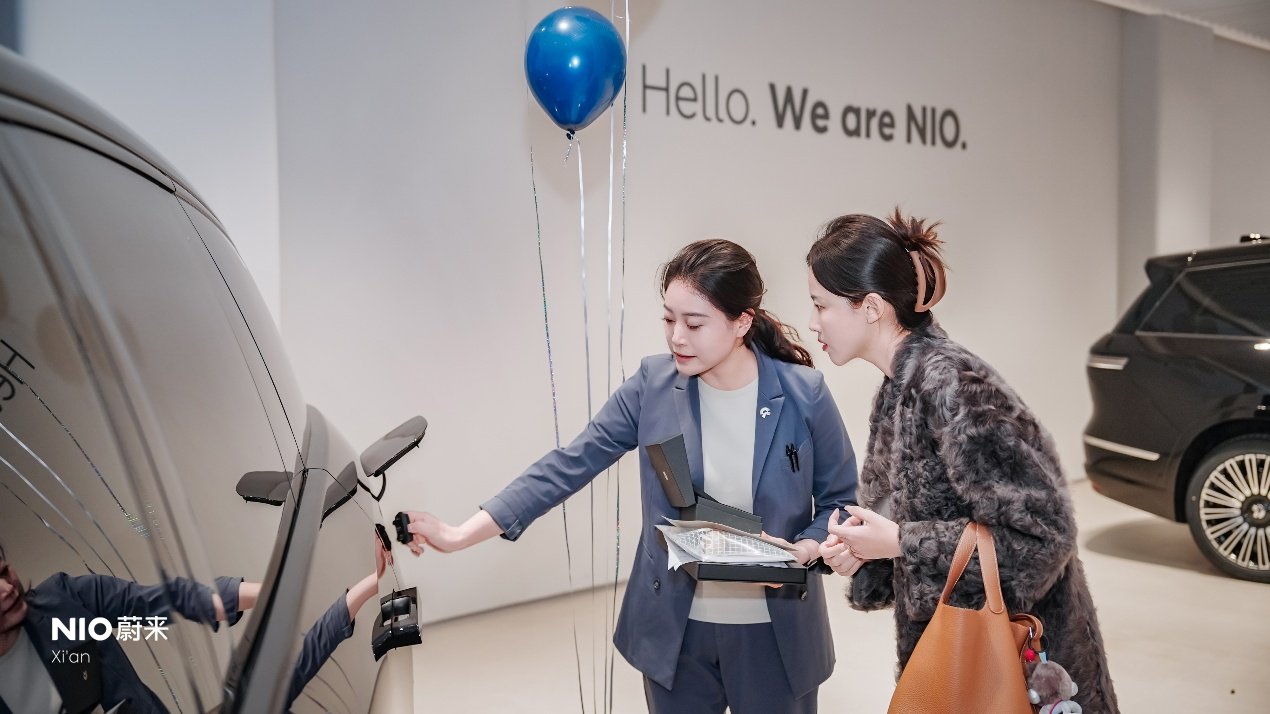
October 23, 2026, Xi'an. NIO handed the keys to the 160,000th all-new ES8 to Mr. Hu and his wife Ms. Cao.
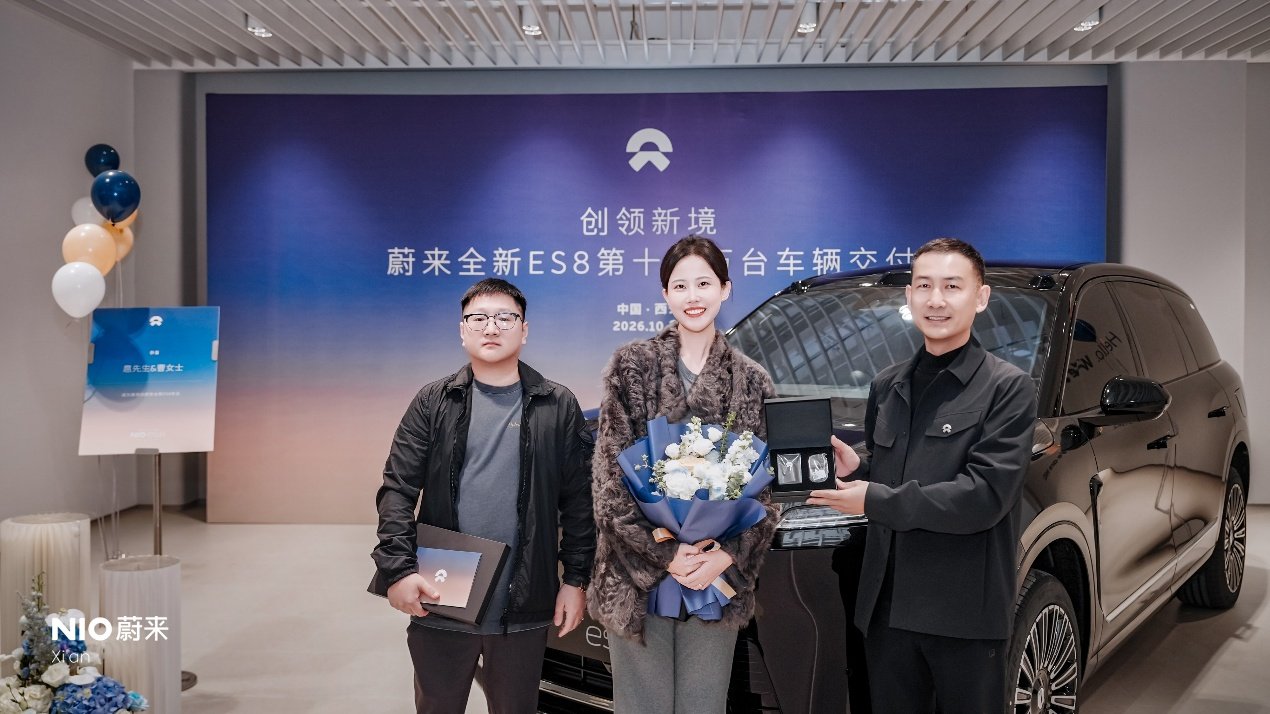
At first glance, this looks like nothing more than a routine major-customer delivery ceremony: flowers, group photos, the founder handing over the keys—a process so familiar it could almost be recited from memory. But stretch the timeline a little longer and widen the frame of reference a little broader, and the weight of this number is not so easily glossed over.
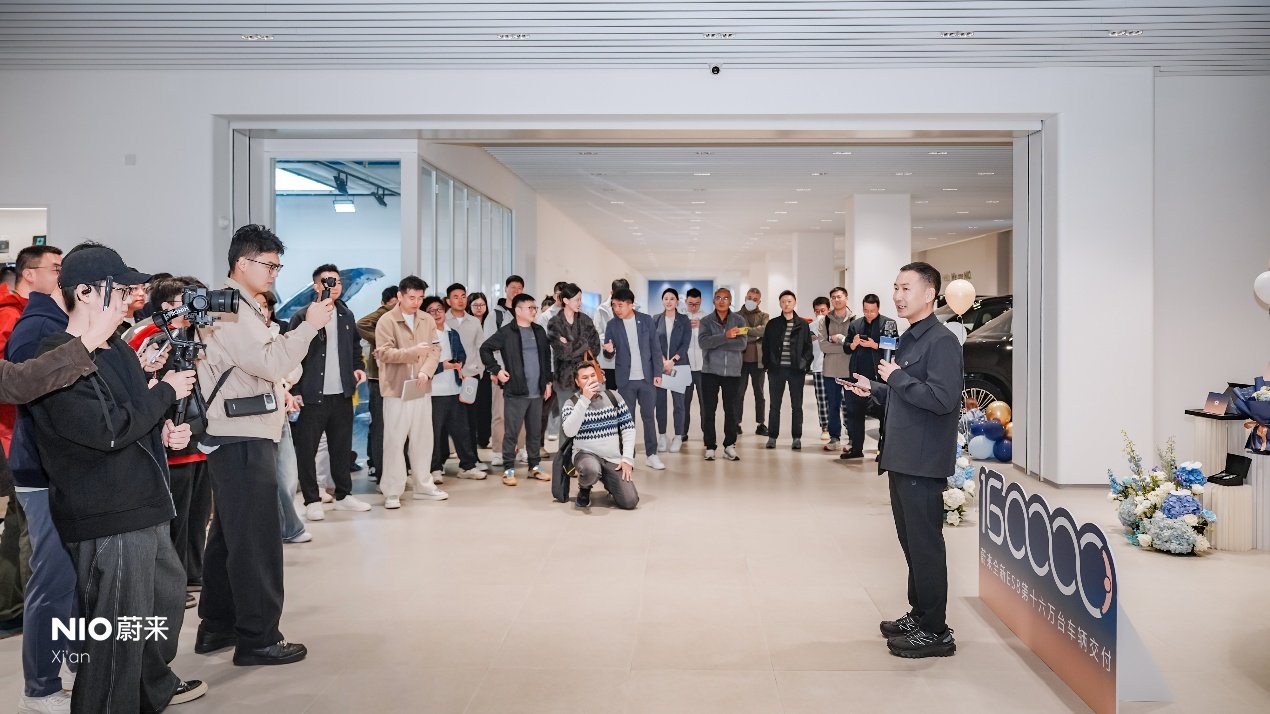
Just over a year after its launch, the all-new ES8 has averaged over 10,000 retail sales per month, with cumulative deliveries surpassing 160,000 units. Placed within the entire Chinese auto market, this figure is hardly an astronomical marvel—after all, some high-volume models can hit that level in a single month. But don't overlook the qualifiers: the 400,000-yuan class, premium battery-electric, large SUV. Stack these three conditions together, and the models capable of sustaining annual deliveries above 100,000 units while continuing to climb can be counted on one hand. What the all-new ES8 has achieved is not just "it sells"—it is continuously resetting the delivery record for battery-electric models in this segment.
What is more telling is its rhythm. The sales curves of many premium battery-electric models follow a pattern of "peak at launch, then month-by-month decline," propped up by first-batch orders; the ES8, by contrast, exhibits a rare "steady-state momentum"—the monthly average of over 10,000 is not the result of a single promotional push, but sustained output over a cycle exceeding one year. Behind this curve is the compound interest of reputation formed after product strength has been repeatedly validated, not a one-time monetization of traffic.
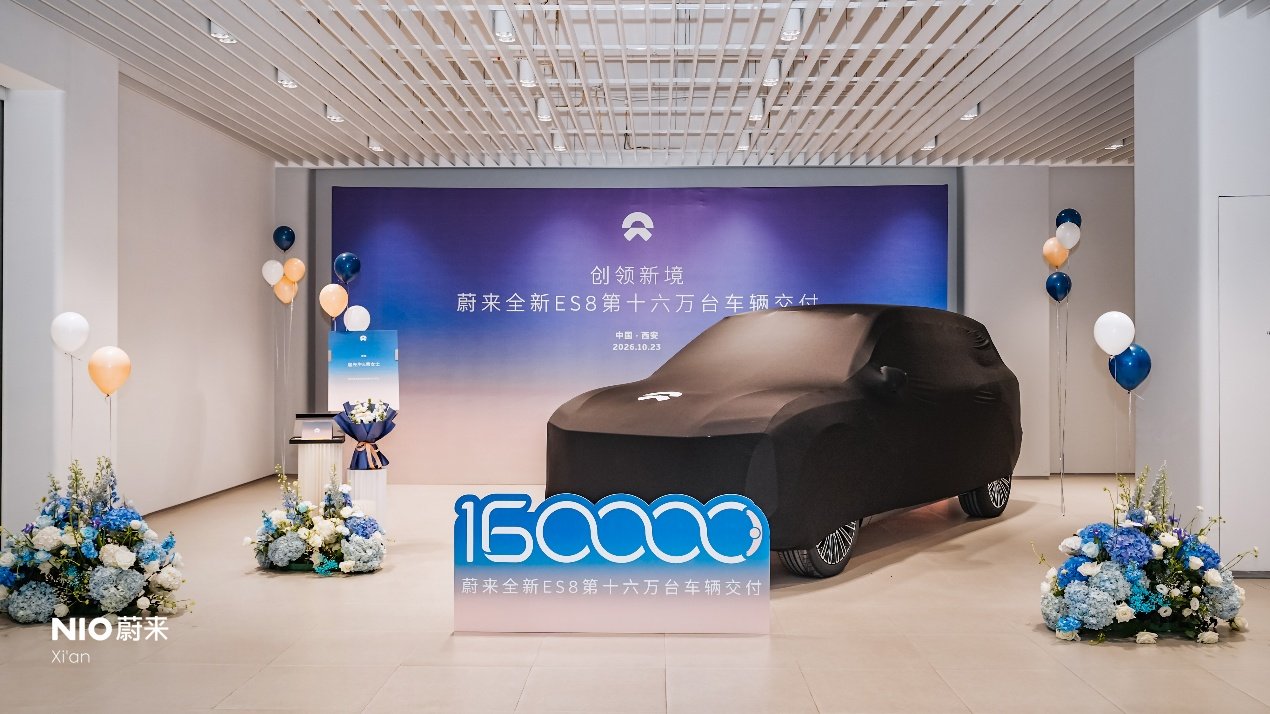
The choice of Xi'an for the 160,000th delivery is officially described as "a milestone landing in a representative market." But Xi'an deserves a bit more discussion.
In the geographic map of China's new-energy market, the northern market has long been regarded as a "stress-test ground" for battery-electric models: the interrogation of range by low winter temperatures, differences in charging infrastructure density, stronger user preference for large SUVs, and heavier doubts about whether "electric can handle long distances." Yet since 2026, in Xi'an's large SUV segment, the all-new ES8 has ranked first with a single-model market share of nearly 20%. What this figure means is: for every five large SUVs sold in Xi'an, one is an all-new ES8—considering that gasoline, hybrid, and battery-electric models compete head-to-head in this segment, this share is not "first among battery-electric" but first across the entire category.
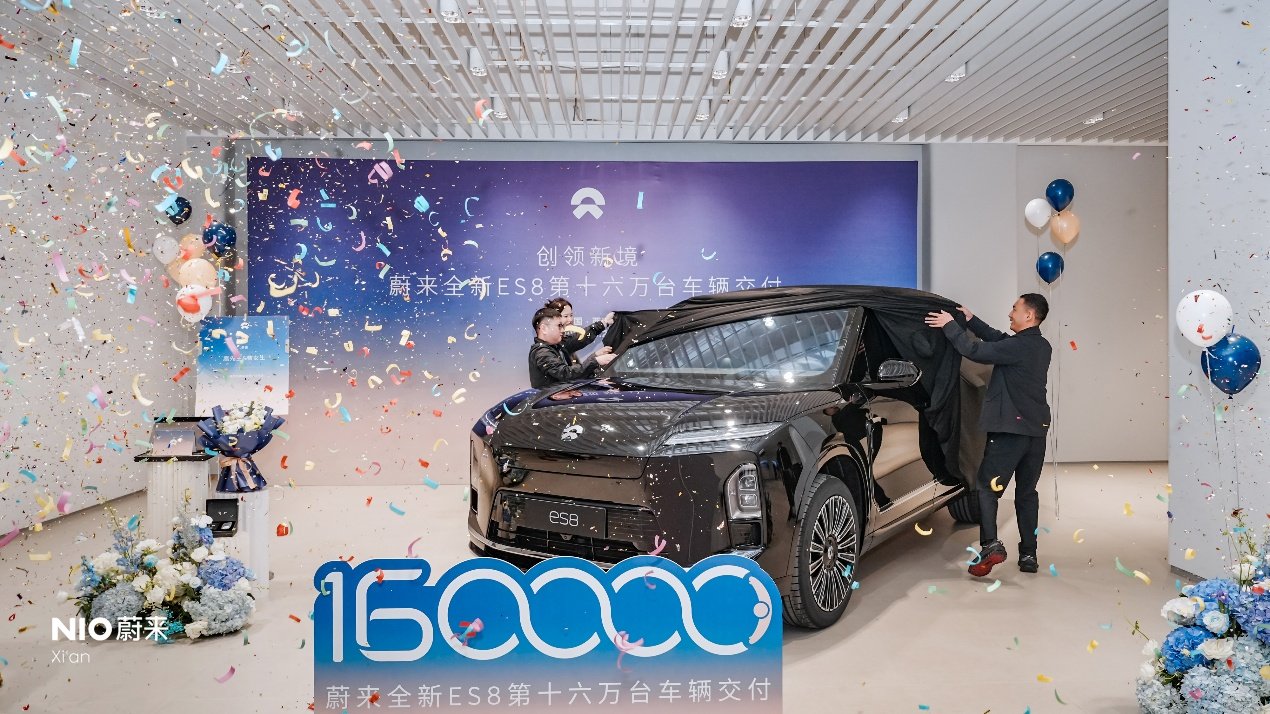
Mr. Hu's purchasing logic happens to be a microcosm. He runs a high-end equipment manufacturing enterprise, values independent R&D and product refinement, and his vehicle-use scenarios span business receptions and long-distance travel—and "a mature battery-swapping system" was explicitly listed by him as a reason for choosing the car. Put these three reasons together, and they actually answer the three core questions of premium battery-electric: the brand's technological credibility, whether the product can cover all scenarios, and whether range anxiety can be truly dissolved. The role battery swapping plays here is no longer a "bonus selling point"—it is the key infrastructure that gives northern-market users the confidence to make a battery-electric large SUV their only vehicle. NIO's market-share performance in Xi'an is, to some extent, an empirical demonstration of the positive correlation between battery-swapping network density and user decisions.
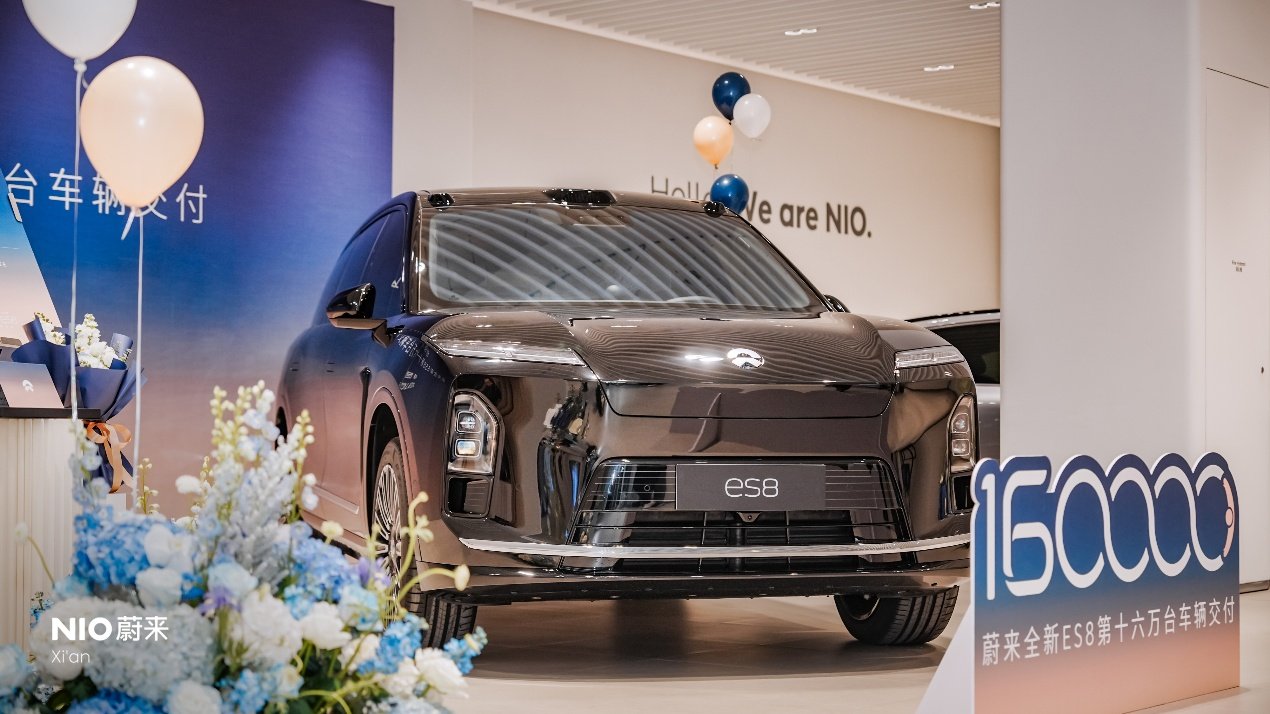
More worth recording than the delivery figure is another set of data: the ES8 ranks first in cumulative retail sales in both the large SUV and 400,000-yuan-class segments; in reports by the China Automobile Dealers Association and Jingzhengu, it ranks first in residual value among new-energy SUVs above 350,000 yuan; and in J.D. Power's brand health study, it ranks first among battery-electric models with an NPS of 85.3 points.
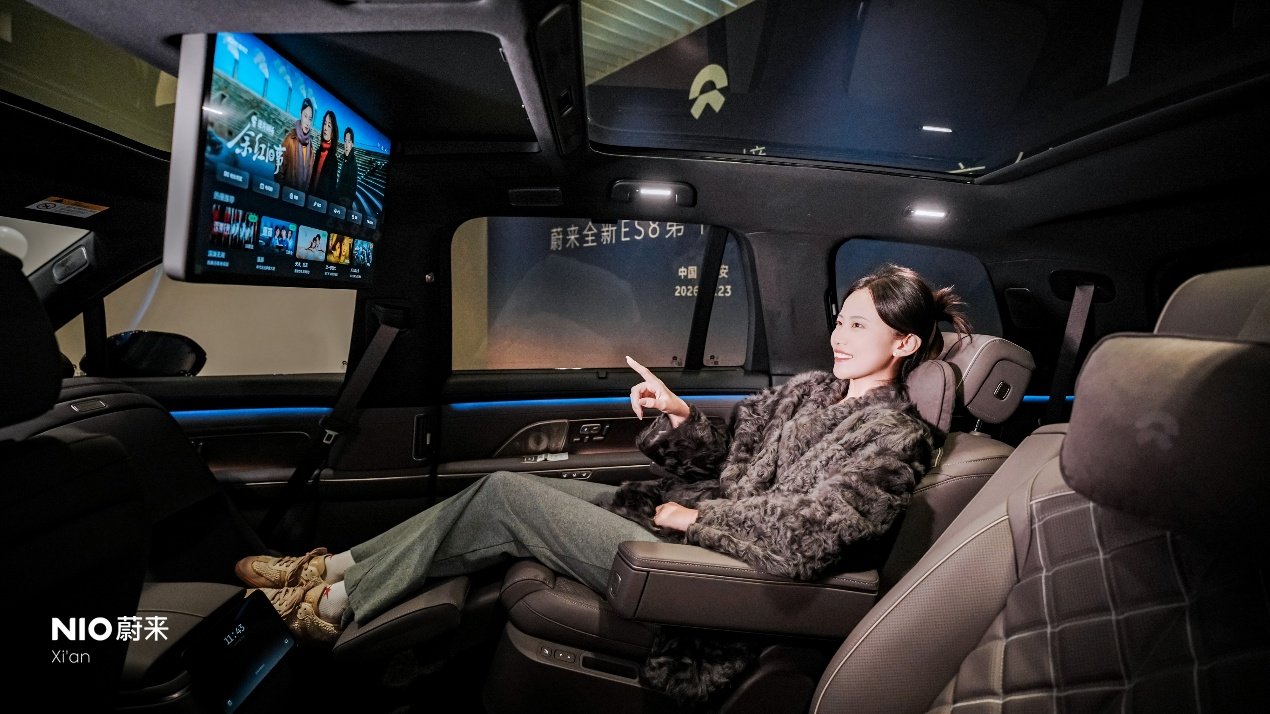
Sales volume, residual value, net promoter score—these three correspond respectively to "many people buy it," "you don't lose much when you sell it," and "people who've used it are willing to recommend it." In conventional perception, new-energy vehicles—especially premium battery-electric ones—often have residual value as a soft spot; high NPS with low residual value is the norm. The ES8 holds all three at once, showing that it has crossed a harder threshold: not only making new users willing to buy, but also keeping existing users from "voting with their feet" in the used-car market. Behind residual value is the market's pricing of the product lifecycle and brand stability; behind NPS is real owners' second endorsement through word of mouth. Only the two together constitute the true value of the word "flagship"—a flagship is not built from a spec sheet, but precipitated over time, through fleet size, and by user trust.
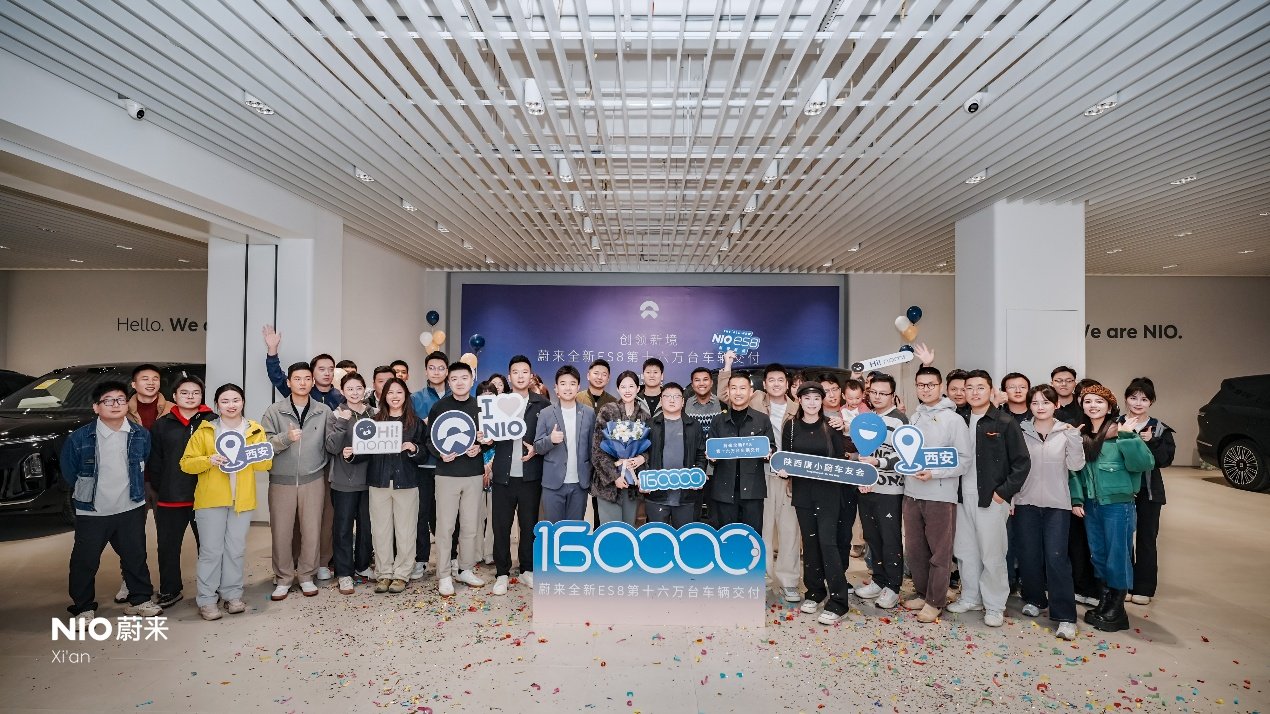
As an automotive journalist, standing in the position of an industry chronicler, I believe the number 160,000 will itself soon be overtaken by the next milestone. But the footnote it leaves is clear: in the 400,000-yuan price band long dominated by traditional luxury brands, a Chinese-brand battery-electric large SUV has proven within one year that "steady-state 10,000-plus" is no accident, and has simultaneously gained a foothold in the northern market and on the "harder" dimensions of residual value and user recommendation.
The ES8 that Mr. Hu and his wife drove away is the 160,000th unit, and also just an ordinary one among the nearly 20% large-SUV market share on Xi'an's streets. The meaning of a milestone never lies on the day of the ceremony, but in whether, after it, this curve can continue to climb. At least judging from the three first-place rankings so far, the answer the ES8 gives carries far more weight than a delivery ceremony.